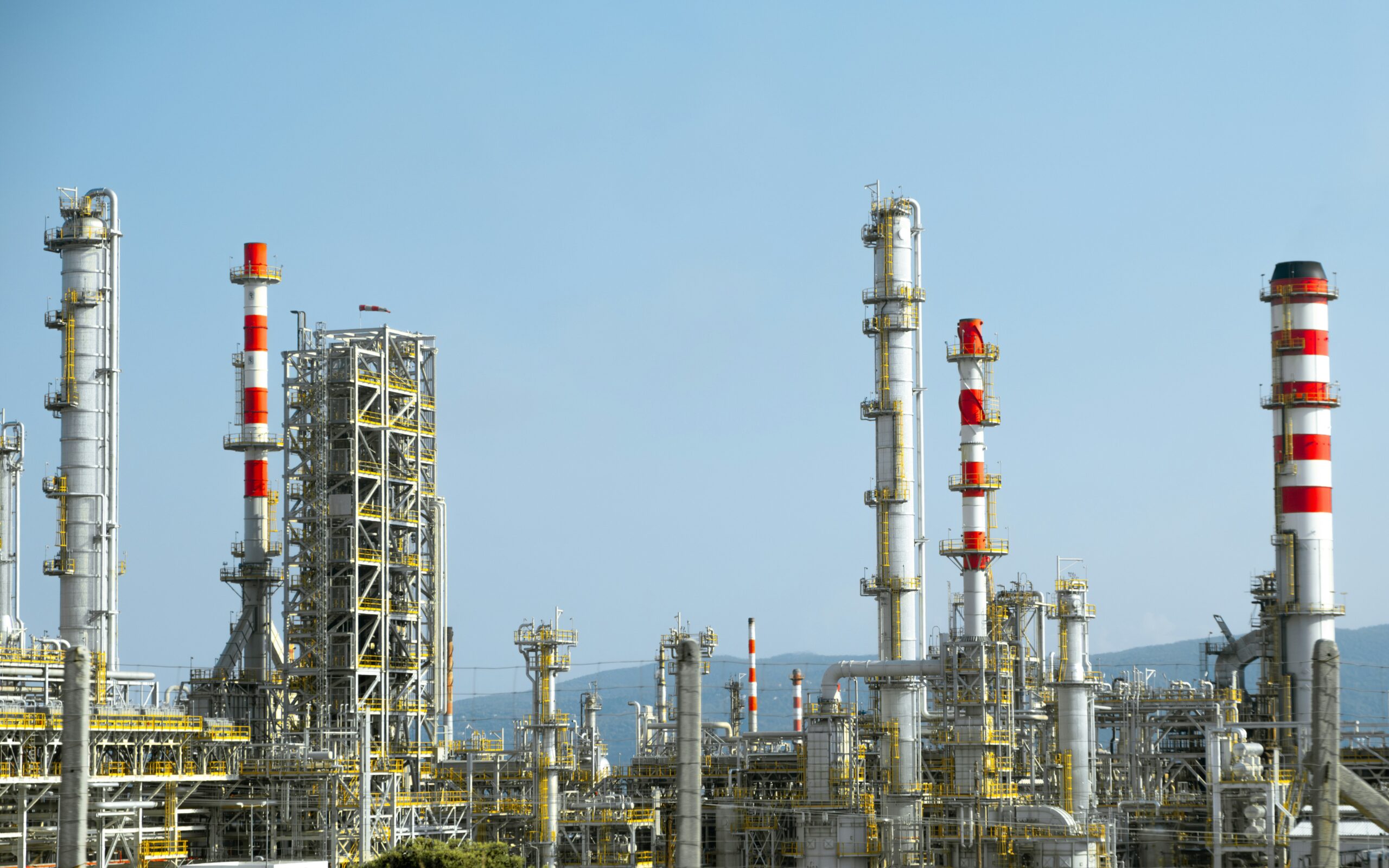
Brussels – For the European Commission, the objective is clear: we must “maximise the production of the most urgently needed fuels, in particular aviation fuel and diesel, both of which are essential for military operations.” It is in this spirit that tomorrow (28 October), the Berlaymont Building will launch the European dialogue on refineries. The meeting will be chaired by the European Commissioner for Defence, Andrius Kubilius, and the Commissioner for Energy, Dan Jørgensen, and will be attended by representatives from the sector, European refineries, business leaders, engineering firms, the main trade associations, and NATO.
According to a statement issued in a press release, the meeting was organised because “in an unstable geopolitical context, Europe must maintain adequate refining capacity, backed up by diversified reserves and imports,” particularly when it needs to “respond to possible supply disruptions.”
Estimates provided by the European Commission indicate that, at present, “EU refineries supply around 70 per cent of the aviation fuel and 85 per cent of the diesel consumed in Europe,” and the aim now is to step up this process. Specifically, the European Commission aims to “ensure reliable access to the fuels required for military purposes, establish resilient storage and distribution infrastructure, integrate defence requirements into forthcoming EU legislation on energy security, andsustainable fuels strategies,” as “crucial elements of the Union’s commitment to strengthening defence readiness”. The initiative also forms part of the “Military mobility package” – which, presented by the Commission in November 2025, aims to create a “military Schengen area” in Europe by 2027, ensuring the rapid and secure movement of troops, vehicles, and equipment between the 27 EU Member States and with NATO allies.
The launch of the dialogue on European refineries was announced by the President of the European Commission, Ursula von der Leyen, at the start of the month, with the aim of reducing costs and ensuring that Europe has the necessary supplies, including those intended for defence. From a long-term perspective, and as announced in the AccelerateEU plan – a package of measures and instruments presented by the European Commission on 22 April 2026 to address the energy market crisis, rising costs of fossil fuels and international geopolitical tensions – the Commission has also initiated the process of revising the existing rules to “ensure the availability of strategic fuel reserves and access to them for military purposes in exceptional circumstances.”
English version by the Translation Service of Withub