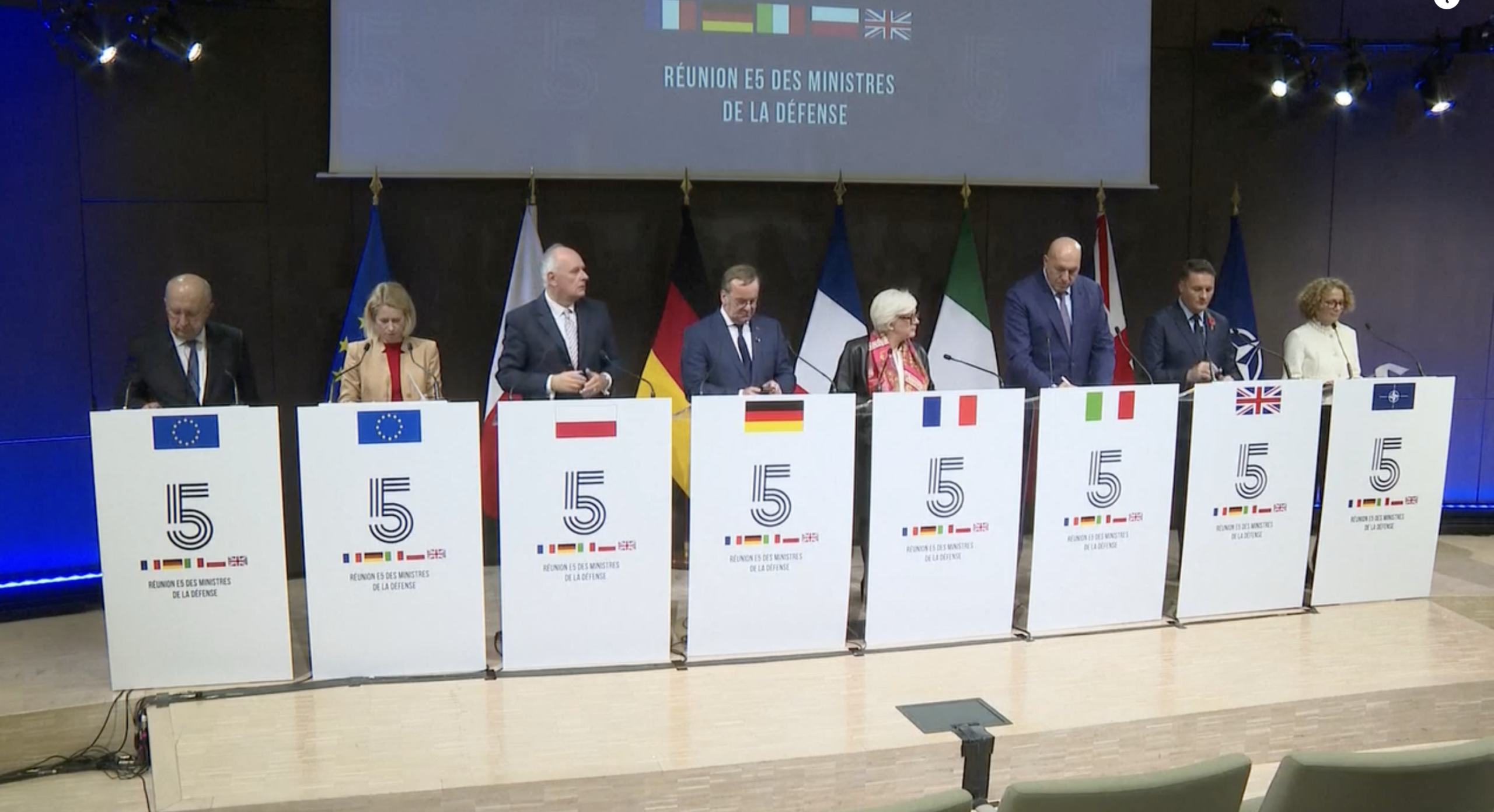
Brussels – There is little prospect of an imminent peace in Ukraine; there is a need to step up military support for Kyiv and to build a European defence capability that does not depend solely on allies. These are the conclusions of the E5 Defence meeting, which today (26 October) saw the defence ministers of Italy, France, Germany, Poland and the United Kingdom meet in Paris, alongside the EU High Representative for Foreign Affairs, Kaja Kallas, the European Commissioner for Defence, Andrius Kubilius, and the Deputy Secretary-General of NATO, Radmila Shekerinska.
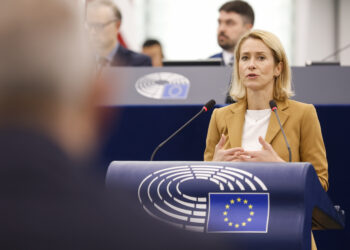
According to Kallas, there is no prospect of a short-term solution to the conflict in Ukraine: “There is little hope of imminent peace in Ukraine,” she said at the end of the meeting, warning that the country is bracing itself for “another brutal winter of war.” For the High Representative, the EU’s priority remains “helping Kyiv to withstand Russian attacks and increasing the costs for Moscow.” The EU is playing its part: just this month, the EU has adopted the most far-reaching restrictive measures against Russia since the start of the war, while others are in the pipeline. Furthermore, Kallas also highlighted the results of European action against Russia’s “shadow fleet”, which has led to the removal of hundreds of illegal oil tankers from their respective flags.
Italy’s support for Ukraine is set to continue. The Defence Minister, Guido Crosetto, reiterated that support for Kyiv represents a commitment made at the international, European, and Atlantic level. “We regard what is happening in Ukraine as a serious threat to Europe’s security and therefore recognise that aid to Ukraine is not aid to a third country, but aid for our future and our security,” he said, assuring that Rome would continue to support the country “to the best of our ability.”
All this is not enough. NATO believes that its allies must do more, particularly in the areas of air and missile defence. Shekerinska called on member states to step up their efforts, emphasising that Russian pressure continues to be felt every night in Ukrainian cities. To support Kyiv, she added, it is necessary to increase industrial production and deepen cooperation with the Ukrainian defence industry: “The more we produce, the more we can support Ukraine.”
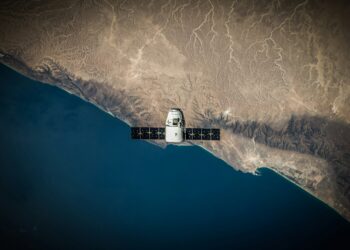
The initiative announced by Kubilius also focuses specifically on strengthening European production capacity. The Commissioner has hinted at a possible new instrument, SAFE 2.0, involving the launch of “a €21 billion call for proposals” from funds left unspent in the first round of the SAFE programme, intended to finance joint projects with Ukraine, including support for the Freyja anti-missile project. At the same time, Brussels is assessing how to provide assistance to Ukraine’s space services, which the country is in great need of, while hoping that the United States will maintain the support it has provided to date.
The war in Ukraine thus becomes part of the wider European challenge of building autonomous defence and deterrence capabilities, without abandoning transatlantic cooperation. According to Crosetto, this is a goal that no country can achieve on its own, not even the major European powers such as Germany, France, and the United Kingdom. “Together, however, we have the capacity; we have the strength – military, industrial, political, and economic,” observed the minister, identifying the security of European citizens as the common goal.
The security of maritime routes also remains on the agenda. Kallas thanked Italy, France, and Greece for their contribution to the European naval operation Aspides in the Red Sea, which is “crucial for ensuring the free movement of goods and oil in the face of Houthi attacks.” “More than 60 countries have signed up to the commitment against the imposition of tolls on international routes,” the High Representative noted. This remains a conflict for which the High Representative sees no imminent end – quite the contrary. Brussels is concerned about the risk of a new escalation between the United States and Iran. “Any new escalation would only create losers,” warned Kallas, drawing attention to a further worsening of international instability. All this while Europe is seeking to strengthen its capacity to respond to crises.
English version by the Translation Service of Withub