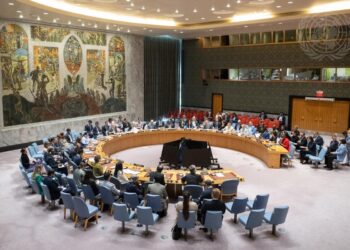
Brussels – A new phase has begun in the Sahara issue following the United Nations Security Council vote on 30 October, in which eleven of the fifteen members supported the draft resolution tabled by the United States, centred on the Moroccan autonomy plan as the sole basis for negotiations towards a political solution to the regional dispute. The text, backed by a large majority of the Council, was not adopted due to Russia’s veto. Three countries – China, Pakistan and Somalia – abstained. The alternative proposal put forward by Moscow, which provided for the simple renewal of the mandate of MINURSO (United Nations Mission for the Referendum in Western Sahara) without any changes, received only three votes in favour – those of Russia, China and Somalia – against a vote against by the United States and eleven abstentions. The Russian draft was therefore rejected, having failed to secure the required majority of nine votes.
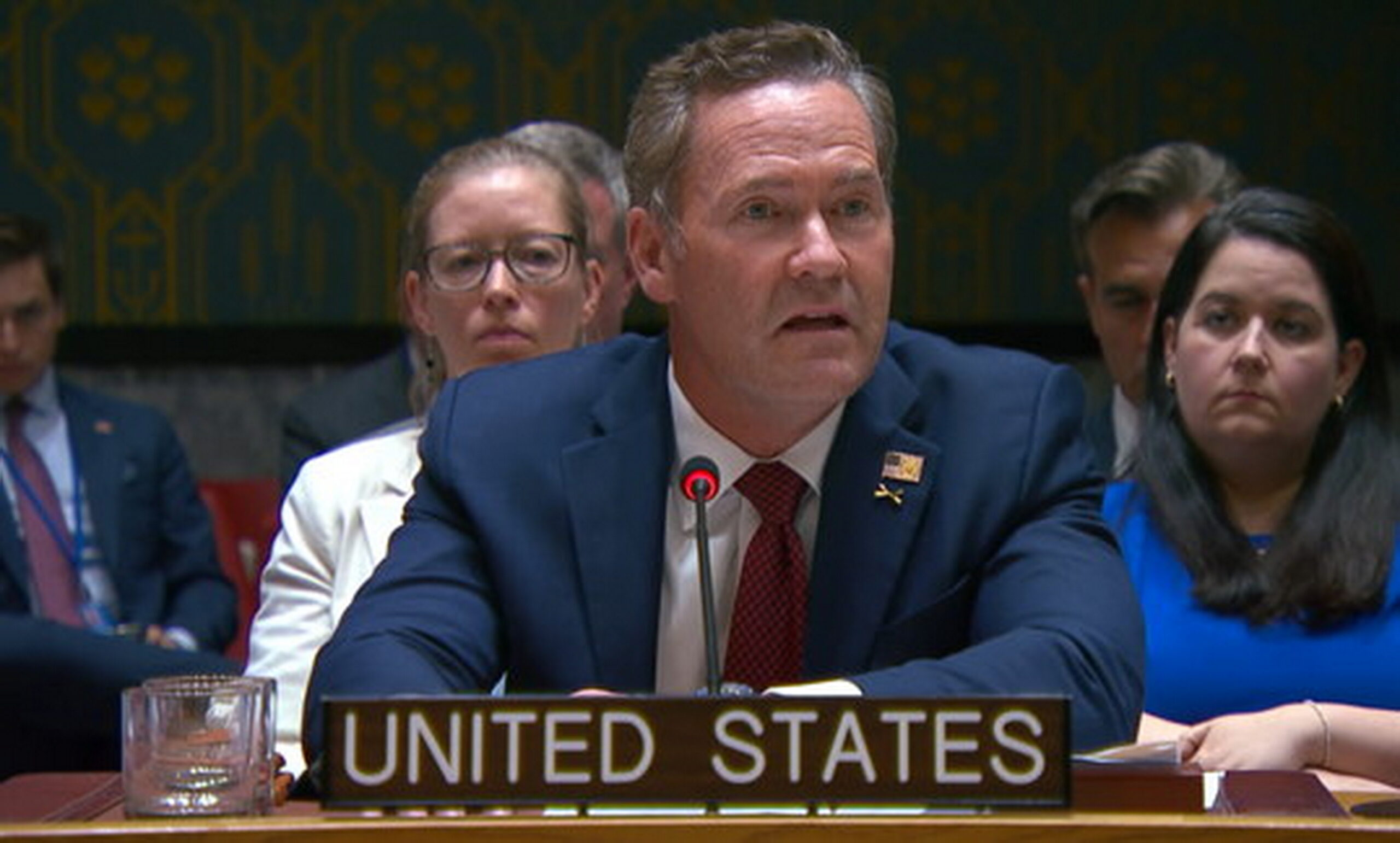
The outcome of the double vote, according to Rabat’s diplomatic interpretation, highlights a significant consolidation of international consensus around the autonomy initiative put forward by Morocco in 2007, which had already been placed at the centre of the political process by Resolution 2797 of 31 October 2025. For his part, the US Ambassador to the United Nations, Mike Waltz, expressed deep regret at the Russian veto, and stressed that the Security Council had missed an important opportunity to move from conflict management to a definitive resolution. The American diplomat reiterated that Washington does not intend to support maintaining the status quo or the continuation of MINURSO in its current form, recalling the failure of the referendum project – a failure long recognised by the United Nations itself. Waltz also reaffirmed the United States’ determination to continue diplomatic efforts, in collaboration with the Secretary-General’s Personal Envoy, Staffan de Mistura, to reach a concrete political solution, based on the progress made in the negotiations and the Moroccan autonomy initiative. Finally, he drew attention to the humanitarian situation in the Tindouf camps, emphasising the urgency of ending decades of diplomatic deadlock.
The US proposal marked a substantial shift in the United Nations’ approach, recognising autonomy under Moroccan sovereignty as the only viable solution and stipulating that the Moroccan plan should form the exclusive basis for future negotiations. The text also provided for a transformation of the UN mission, with the removal of the reference to the referendum from the name MINURSO, an expansion of consultations to include a wider range of representatives of the Sahrawi people, in addition to the traditional negotiating parties, and a strengthening of humanitarian provisions relating to the populations in the Tindouf camps, including the registration of refugees within six months and the promotion of lasting solutions. Although these provisions did not come into force due to the Russian veto, the support expressed by eleven members of the Council is regarded by Rabat as a particularly significant political signal, confirming the growing centrality of the Moroccan initiative in the international debate.
In a statement from the Royal Cabinet, King Mohammed VI welcomed the decision not to renew the MINURSO mandate, which is due to expire on 31 October 2026, describing it as an important development and a significant step towards the definitive end of the Moroccan Sahara issue at the United Nations. According to the statement, the non-renewal is expected to lead, in the coming days, to the withdrawal of the UN mission from the Kingdom’s southern provinces, after 35 years, and to pave the way for the conclusion of the Security Council’s periodic review of the issue. The position expressed by the King forms part of Morocco’s diplomatic strategy aimed at moving beyond the mechanisms inherited from the 1991 referendum process and at focusing international efforts on a political solution based on autonomy under Moroccan sovereignty.
Morocco has also reaffirmed its commitment to the ceasefire while respecting its territorial integrity and the security of its people, and has confirmed its willingness to continue the diplomatic process initiated by King Mohammed VI at the bilateral and regional levels. According to the Royal Cabinet, more than two-thirds of United Nations member states now support autonomy under Moroccan sovereignty as the framework for resolving the dispute. The vote on 30 October, while not resulting in a new resolution, reveals a significant political fact: the US draft secured the support of eleven Security Council members, whereas the Russian draft garnered only three votes in favour. For Rabat, Moscow’s veto therefore poses an obstacle to the text’s formal adoption. However, it does not halt the international momentum in favour of autonomy, while the failure to extend MINURSO marks, in Morocco’s assessment, the end of a historic phase in the management of the dispute.
English version by the Translation Service of Withub