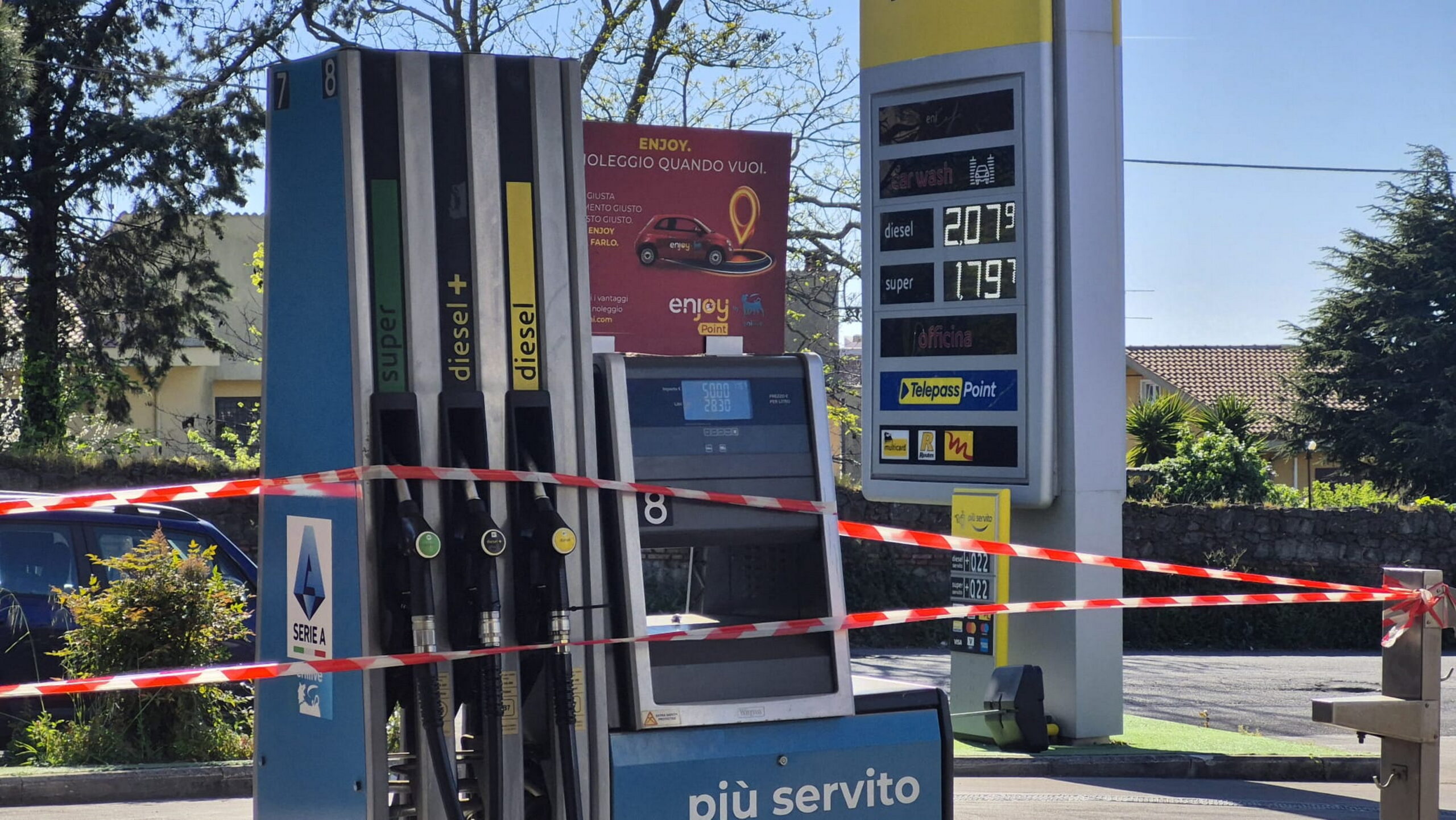
Brussels – Following a period of general decline up until February 2026, the transport sector in the European Union has seen a sharp reversal in the trend: data from Eurostat, the EU’s statistical office, shows that in March 2026, prices for fuel and lubricants for private vehicles were up 12.9 percent compared with March 2025.
Almost all EU countries recorded increases compared with the previous year. The sharpest rises were in Germany (+19.8 percent), Romania (+19.6 percent), the Netherlands (+18.8 percent), Latvia (+18.5 percent), and Austria (+17.2 percent). Bucking the trend, only Hungary (-2.7 percent) and Slovenia (-5.9 percent) recorded price declines compared with March 2025, though the declines were less pronounced than in February 2026.
An analysis by fuel type reveals that diesel has been hit hardest. Year-on-year, its price has risen by 19.8 percent, while petrol prices have risen by 9.4 percent. The increase is even more dramatic when compared with February 2026: diesel costs 19.1 percent more in just one month and petrol 10.6 percent more over the same period.
Compared with February 2026, prices for both fuels have risen across all 27 Member States. For diesel, the sharpest monthly increases were recorded in the Czech Republic and Sweden (both +27.6 percent), followed by Estonia (+26.8 percent), and Latvia (+25.4 percent), while at the bottom of the list are Slovenia (+2.9 percent), Slovakia, and Hungary (both at +7 percent). Italy recorded an 11.9 percent rise in diesel prices in March from February. As for petrol, the monthly increases were more modest. The lowest increases were recorded in Slovenia (+2.4 percent), Slovakia (+3.8 percent), Hungary (+4.7 percent), and Italy (+4.8 percent). Conversely, the largest increases for petrol were seen in Belgium (+15.1 percent) and Sweden (+15.0 percent).
New Eurostat figures support the European Commission projections that instability in the Strait of Hormuz is destabilizing Europe on several fronts. The closure of this route – through which 20 percent of the world’s oil and liquefied natural gas passes – has not only caused fuel prices to soar but has also doubled gas‑fired power generation prices This scenario is fueling inflation, significantly weighing on the cost of living, with inflation in March coming in at 2.7 percent.
While offering reassurances regarding steady aviation fuel reserves the European Commission is accelerating toward the teleworking directive that, however, trade unions urge to safeguard employees’ rights and protect their livelihoods during the current energy crisis.
English version by the Translation Service of Withub