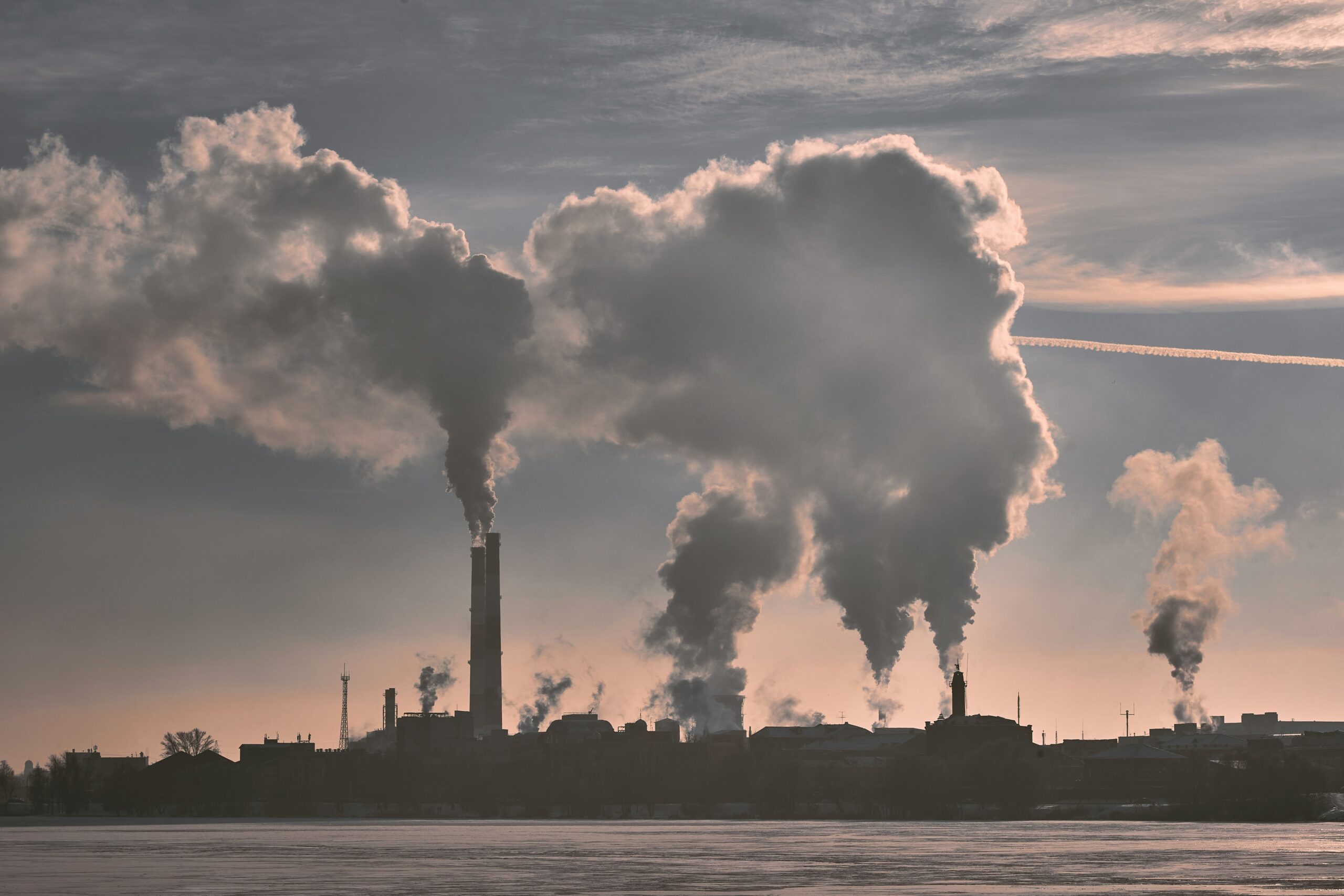
Brussels – A “thorough review” of the ETS – the Emissions Trading Scheme – “to ensure that the rules of the European CO₂ market are brought more into line with the realities of industry, taking into account available technologies, costs, infrastructure and international competition”. This is the request that the industrial associations of Italy, France and Germany – Confindustria, Medef and BDI – have sent to the President of the European Commission, Ursula von der Leyen, ahead of the forthcoming review of the ETS, scheduled for 17 July. It is the first time the three associations have expressed a joint position on the issue ahead of next Friday’s meeting.
The letter also refers to a recent study by the University of Milan-Bicocca on the ETS, “according to which, between 2013 and 2024, the reduction in emissions was due more to company closures than to the mechanism’s impact on decarbonisation.” In particular, “the number of manufacturing plants subject to the EU ETS fell by 14.6 per cent, while those remaining in operation recorded an average capacity utilisation of around 80 per cent,” the document highlights.
The leading industry organisations from Europe’s top three economies – representing nearly 500,000 businesses – are also calling for a review of the Market Stability Reserve, the mechanism that regulates CO2 allowances on the European market, “to avoid shortages caused by the current rules and to limit price volatility.” In addition, they are calling for the strengthening of the CBAM (Carbon Border Adjustment Mechanism), that is, “the European duty on CO₂ emissions from imported goods, while maintaining free allowances and ETS cost compensation until there are effective alternative measures to prevent the relocation of production outside the EU.” Finally, they call on the Commission to “allocate all ETS revenues entirely to decarbonisation;” to “integrate, after 2030, solutions such as high-quality international credits, CO₂ capture and storage, and permanent carbon removals;” and to “exclude maritime transport and aviation from the scope of the mechanism.”

![Da sinistra: il presidente del Consiglio europeo, Antonio Costa; il presidente dell'Ucraina, Volodymir Zelensky: la presidente della Commissione europea, Ursula von der Leyen [Bruxelles, 18 giugno 2024. Foto: European Council]](https://www.eunews.it/wp-content/uploads/2026/06/euco_ua260618-120x86.jpg)
![[foto: Saverio De Giglio/imagoeconomica]](https://www.eunews.it/wp-content/uploads/2026/10/cpt-120x86.png)