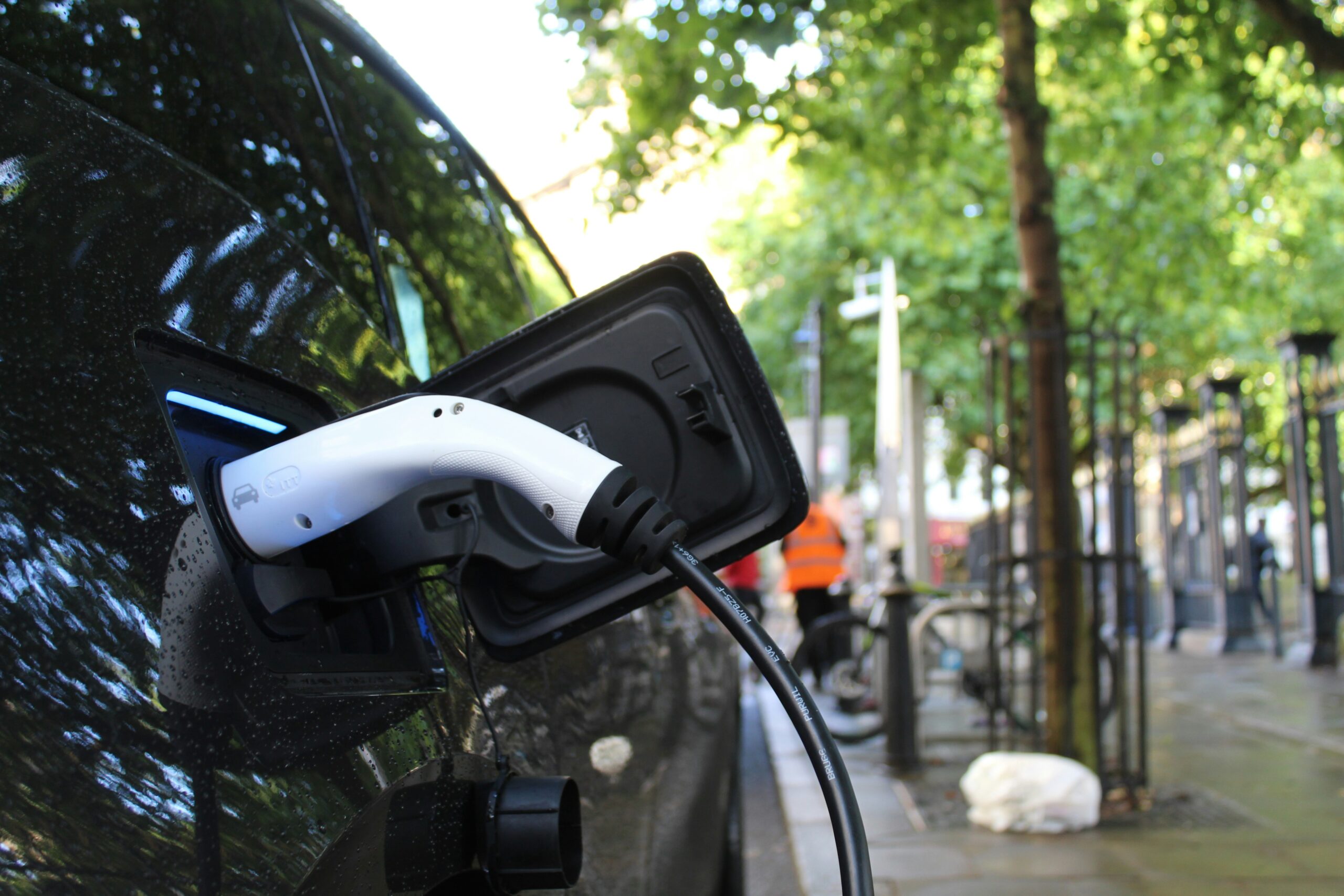
Brussels – Electric cars are on the rise in Europe, but the transition of the vehicle fleet is still proceeding slowly. In 2025, registrations of fully electric cars (battery electric vehicles, BEVs) rose by 29.7 per cent compared with the previous year, whilst plug-in hybrids saw a 34.2 per cent surge. This is shown by Eurostat data, the European Union’s statistical office. These are signs of a recovery in demand following difficult months. However, they do not alter the underlying reality: alternative-fuel vehicles still account for only a limited share of the cars on the road.
According to the latest figures from the European Institute, there are now almost 7.6 million fully electric cars on the road in the EU, a figure 151 times higher than in 2013 and around seven times higher than in 2020. Yet, despite this impressive growth, BEVs account for just 2.9 per cent of the entire European car fleet, which comprises over 260 million vehicles.
Petrol engines also continue to dominate the new car registration market. In 2025, 65.7 per cent of new cars registered in the EU are still petrol-powered (including hybrids), while alternative-fuel vehicles account for 20.5 per cent of the total. Only Denmark has now crossed the 50 per cent threshold, with 67.8 per cent of new registrations consisting of alternative-fuel vehicles, followed by countries such as the Netherlands, Finland, and Sweden.
Italy presents a picture full of contrasts. On the one hand, it is the European country with the highest rate of car ownership, with 709 cars per thousand inhabitants, ahead of Cyprus and Luxembourg. Furthermore, with over 41 million cars, it has the second-largest car fleet in the European Union after Germany. On the other hand, the transition to alternative fuels is proceeding more slowly than in other major European countries. Cars powered by alternative fuels account for 11 per cent of the Italian vehicle fleet, a proportion higher than the average for many countries on the continent but still some way off the levels seen in Denmark (18 per cent), Sweden (12 per cent) and, above all, Norway (32 per cent, outside the EU). Among new car registrations in Italy, however, alternative-fuel vehicles have now overtaken diesel, a sign that the market is changing.
The spread of electric vehicles continues to be held back by several well-known factors: inconsistent national incentives, high prices, a charging network perceived as inadequate, and so-called “range anxiety”—the fear of not finding a charging point before the battery runs out. However, the direction of travel seems clear: sales are on the rise again and, year on year, electric cars are gaining an ever-greater presence on Europe’s roads. Even if, so far, they remain a minority.
English version by the Translation Service of Withub


![INAUGURAZIONE A2A POWER HUB
COLONNINE PER AUTO ELETTRICHE
DISTRIBUTORI ENERGIA [Foto: imago economica]](https://www.eunews.it/wp-content/uploads/2026/06/Imagoeconomica_2619972-350x250.jpg)