Brussels – An ultimatum to Rome: lift border controls with Spain by Sunday 9 August due to the migration crisis in Ceuta, otherwise Madrid will be forced to “take proportionate measures to protect the interests and dignity” of its citizens. But Italy is not having any of it and has responded firmly: “It does not accept ultimatums or impositions from abroad” when it comes to national security and border control. With just a few hours to go before the deadline set by Pedro Sánchez’s government, Palazzo Chigi puts it in writing that Rome has no intention of backing down on migration regulations as a result of the crisis in Ceuta.
The Italian response comes following the threat issued by Madrid, as reported by the Spanish newspaper El Mundo, citing sources at Moncloa, the seat of the Spanish Government. The Sánchez government is contesting Italy’s decision to reintroduce temporary air and sea border controls with Spain, a measure notified to the European Commission and initially scheduled to remain in place until early September.
According to Madrid, the checks have affected the travel plans of “thousands of passengers” and created “legal uncertainty in the middle of the summer season.” A measure described as “unprecedented in recent history,” adopted “without warning, unilaterally and on flimsy grounds, which comply neither with the Schengen Borders Code nor with the truth.”
But Rome is pressing ahead. In a statement issued by Palazzo Chigi, the government makes it clear that it “has no intention whatsoever of revising” the decision to suspend the application of the Schengen Agreement for third-country nationals arriving from Spain, at least until 15 August and in any case until “security and terrorism risks for Italy have been completely ruled out.”
This date is no coincidence. Indeed, on 15 August, explains the Italian government, a new wave of migrants is expected in Ceuta, as announced by the Spanish authorities themselves. And it is precisely the possibility of a repeat of the crisis which, according to Rome, justifies maintaining the controls. Only when we are certain that there will be no security or terrorist risks for Italy, that there will be no new wave, and that there are no irregular migrants heading for European territory, will it be possible to review what has already been decided,” Palazzo Chigi states.
The clash between Rome and Madrid
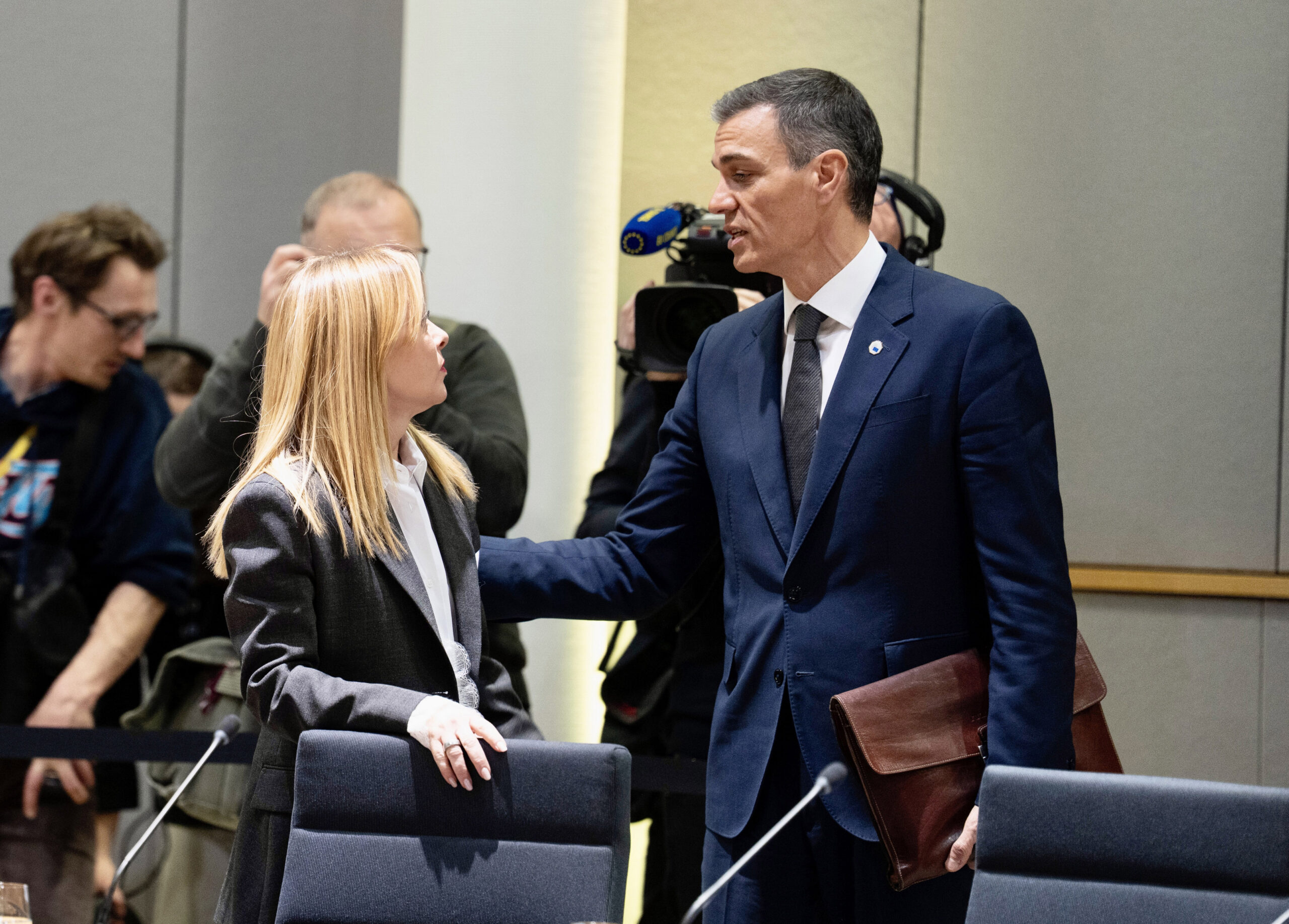
Tension between the two governments had already erupted during the video conference of EU interior ministers. Spanish Minister Fernando Grande-Marlaska had described the Italian decision as “completely pointless and disproportionate,” contesting the link between the crisis in Ceuta and the risk of migrants entering the Schengen area.
Italian Minister Matteo Piantedosi, on the other hand, had used the European conference to relaunch the Meloni government’s approach to managing migration flows. According to the Minister for the Interior, the crisis shows that the EU must stop “reacting to emergencies” and instead focus on preventing departures in countries of origin, strengthening repatriation efforts and using the political and economic clout of the 27 Member States to secure concrete cooperation from third countries.
The issue of the 72,000 arrivals in Ceuta
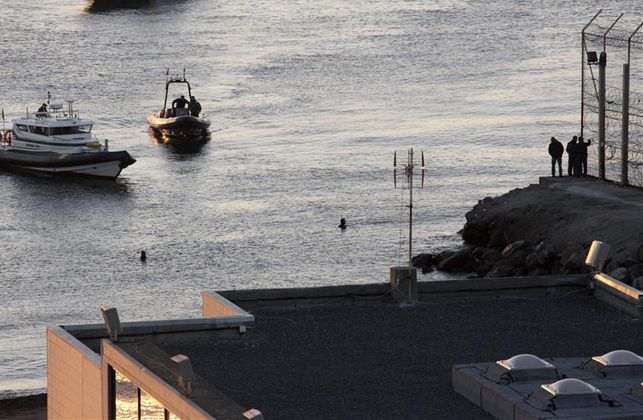
For Spain, however, the very premise of the Italian decision does not hold water. Madrid continues to insist that none of the approximately 72,000 migrants that have entered Ceuta illegally last week could, nor can, enter the Schengen area freely. The Spanish autonomous city, in fact, enjoys special status with regard to the area of free movement. Above all, the Sánchez government emphasises, “virtually all” of those who had reached Ceuta have already returned to Morocco: according to figures provided by the Spanish Minister of the Interior, around 70,000 people had already left the enclave. Hence Madrid’s question: why maintain border controls with Spain if people who have arrived in Ceuta cannot simply cross the border and enter the Schengen area?
Italy’s response takes into account how the crisis might develop. Not only the possibility of a new wave of migration, but also the absence of security and terrorism risks and the certainty that there are no irregular migrants heading for European territory are cited as necessary conditions for revising the decision.
“No prejudice against a friendly country”
Palazzo Chigi points out, however, that the decision does not constitute a hostile act towards Madrid. “This is without prejudice to a friendly country such as Spain,” the statement emphasises, noting that similar measures have been adopted in the past by the Italian government—for example, in relation to Slovenia—and by other European governments in relation to Italy and Spain itself. Rome is therefore leaving the door open for dialogue. “Should all these conditions cease to apply, Italy is ready to resume constructive dialogue with the Government in Madrid”, Palazzo Chigi states.
And there is one final point on which the Italian government wishes to clear up any misunderstandings: Spanish and European citizens are not directly affected by the measure. The government assures us that the Italian border authorities “will do everything possible to ensure maximum ease of travel” for European travellers, who “are not affected by the reintroduction of air and sea border controls.”
Madrid had set Sunday as the deadline, leaving a glimmer of hope. “We trust that the European spirit, common sense and good faith will prevail,” writes the Spanish government. Rome responds by indicating 15 August as the earliest possible date to review the decision, but only under specific conditions. And so, what began as a migration crisis on the border between Spain and Morocco now risks becoming a real political tug-of-war within the EU, with the Schengen free movement area at the centre of a clash between two countries which, until a few days ago, were on the same side of the fence.
English version by the Translation Service of Withub![Persone migranti a Ceuta [foto: imagoeconomica]](https://www.eunews.it/wp-content/uploads/2026/08/ceuta-350x250.png)