Brussels – A proprietor of a trade mark may prevent that
mark from being used by a political party where the latter has not
demonstrated that its freedom of expression takes precedence over the rights
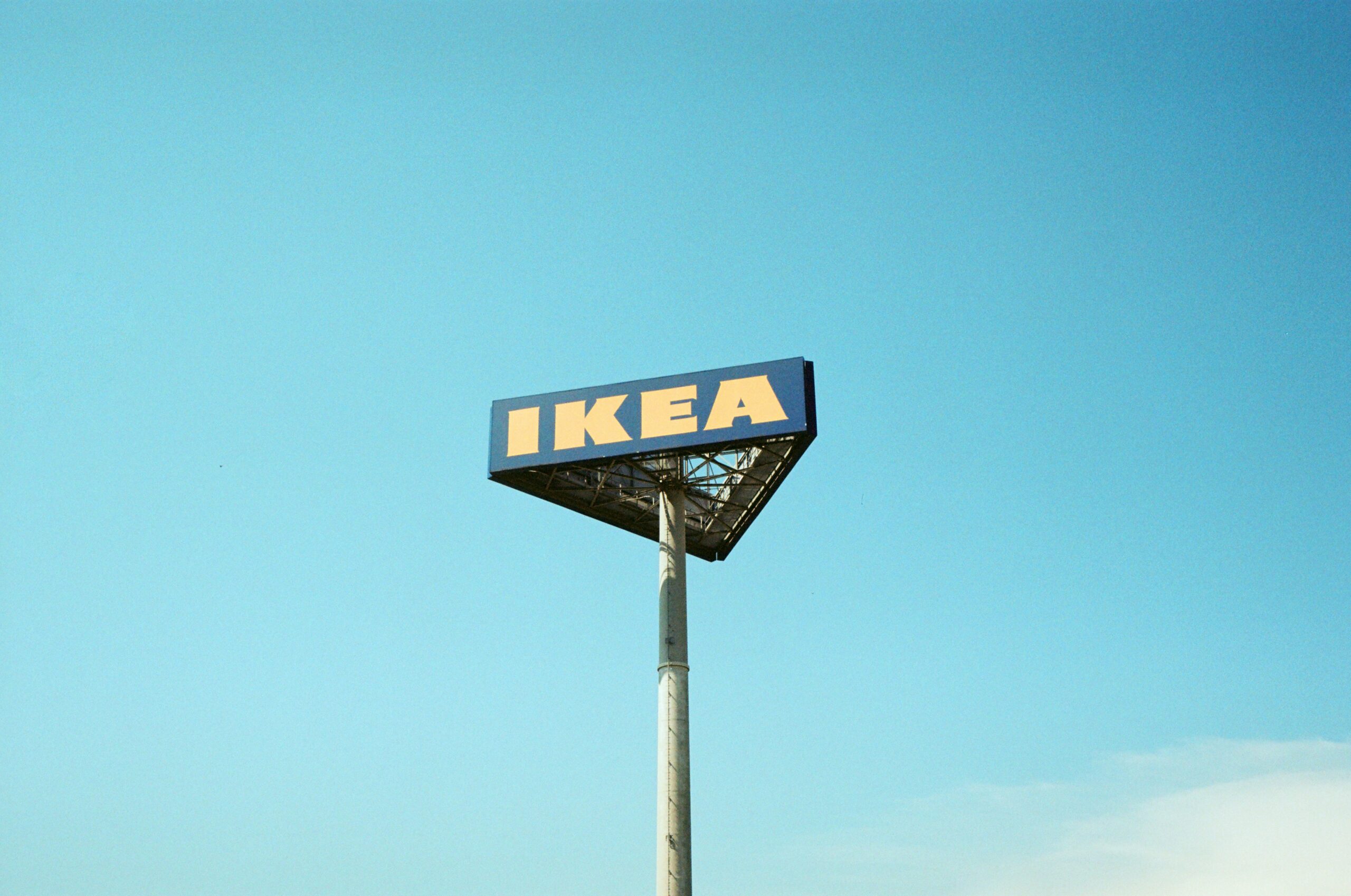
and interests of that proprietor, the Court of Justice of the EU said in a ruling concerning IKEA and the Belgian right-wing populist party, Vlaams Belang. The case dates back to 2022, when the party used the Swedish multinational’s acronym for its immigration programme, transforming it into IKEA-PLAN, an acronym for ‘Immigratie Kan Echt Anders’ (Immigration Really Can Be Different). The campaign material also featured elements associated with the IKEA brands, including the company’s characters and products.
Vrijheidsfonds (Freedom Fund), which ran the Vlaams Belang campaign, defended the move, invoking freedom of expression and arguing that the use of the trade mark constituted “due cause” under European law, also as a form of political parody. The matter came before the Court of Justice after Inter IKEA, the trademark owner, had brought an action for infringement before the Belgian courts. The national court had asked the European judges to clarify how to balance two fundamental rights: on the one hand, the protection of property and the trade mark; on the other, freedom of expression, including political expression.
According to the Court, European law does not precisely define what is meant by “due cause”. Still, it requires that fundamental rights and freedoms, including freedom of expression, be taken into account. Merely invoking the latter, however, is not sufficient. Anyone using a well-known trade mark must set out the specific grounds for that use
in connection with the exercise of its freedom of expression and demonstrate that those grounds take precedence over the
rights and interests of the proprietor of that trade mark. It is therefore for the national court to strike a balance between the two rights, assessing, amongst other factors, whether the use of the trade mark was in good faith, whether it contributes to a debate of general interest, and what consequences it may have for the proprietor.
In this specific case, the Court in Luxembourg notes that the risk that the use of a trade mark may make the company appear to endorse the political message conveyed must also be taken into account, particularly where the proprietor’s values are incompatible with that message or where the company maintains a position of political neutrality.
In the view of the European courts, the use of the IKEA trade mark in the case in question may cause significant detriment to the repute of those trade marks and to the interests of their proprietor. In particular, there is no evidence that the use by Vrijheidsfonds, carried out to exploit IKEA’s reputation to strengthen and disseminate its own political message, takes precedence over the company’s rights and interests. The final decision, however, rests with the Belgian court, which must apply the criteria set out by the Court of Justice and resolve the national dispute.
English version by the Translation Service of Withub



![Da sinistra: il presidente del Consiglio europeo, Antonio Costa; il presidente dell'Ucraina, Volodymir Zelensky: la presidente della Commissione europea, Ursula von der Leyen [Bruxelles, 18 giugno 2024. Foto: European Council]](https://www.eunews.it/wp-content/uploads/2026/06/euco_ua260618-120x86.jpg)
![[foto: Saverio De Giglio/imagoeconomica]](https://www.eunews.it/wp-content/uploads/2026/10/cpt-120x86.png)