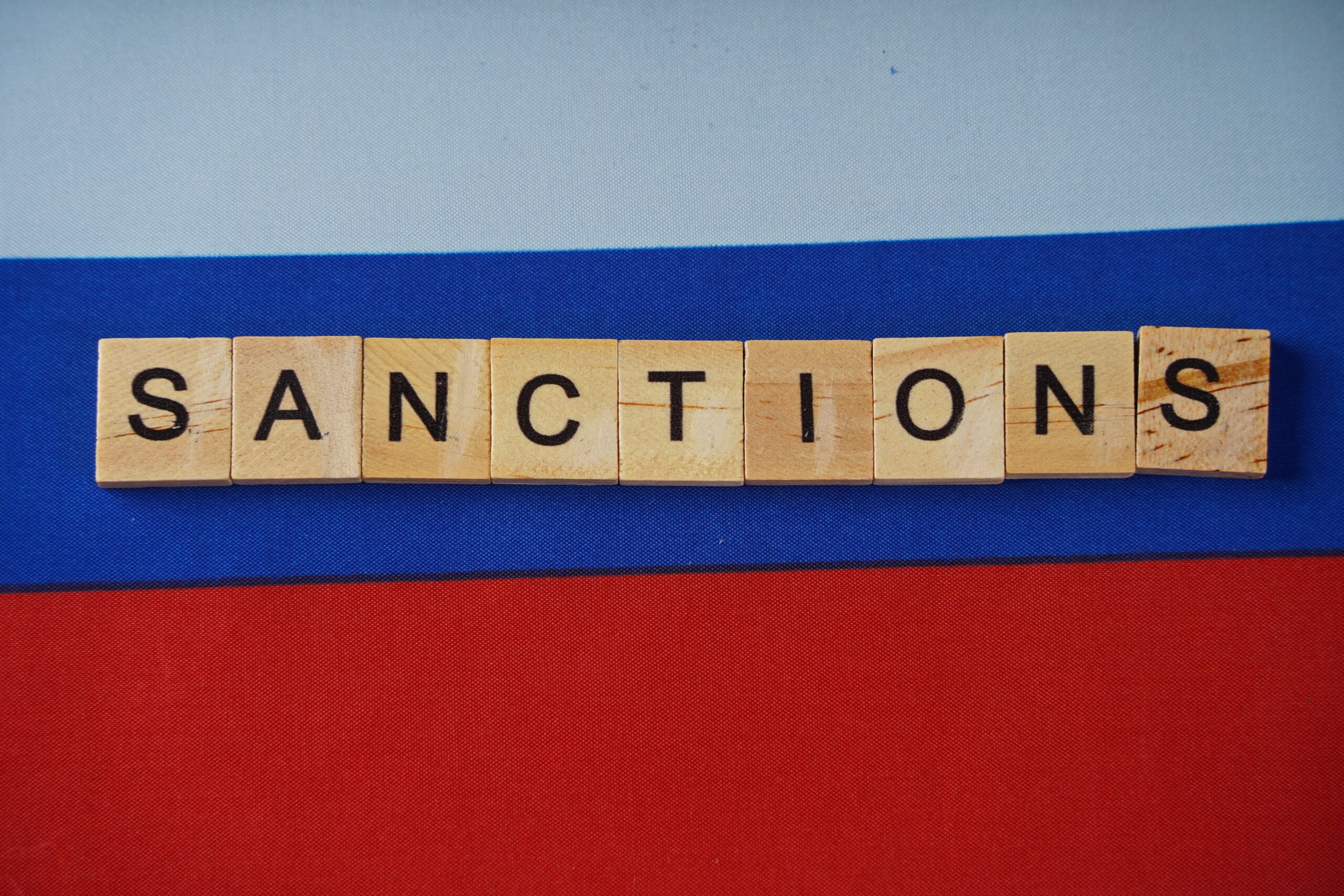
Brussels – The European Union imposes further sanctions on Russia. Those decided today (28 September) have been imposed on 10 individuals and 17 entities for their involvement in the deportation and in the forced transfer of Ukrainian children to Russia, while a further 10 people have been added to the EU sanctions list for their role in the repression of the Russian democratic opposition.
The first package targets individuals and organisations accused of contributing to the deportation and forced transfer of Ukrainian children to Russia and within the temporarily occupied territories, as well as to their forced assimilation through indoctrination and militarised education programmes.
Among those targeted by the measures is Rustam Minnikhanov, President of the Republic of Tatarstan, who is accused of facilitating the illegal transfer of Ukrainian children to camps in the region. The list also includes the Minister and Deputy Ministers of Education and Science of certain occupied territories, the Minister of Sport and Tourism of the self-proclaimed Donetsk People’s Republic, and the heads of various camps and schools for children.
Also targeted are organisations which, according to the Council, have contributed to the cultural re-orientation and patriotic-military education of minors. Among the 17 entities sanctioned are the Moscow City Tourism Committee, two Russian companies providing leisure and tourism services for children, as well as sports camps and centres in Russia and the occupied territories.
The list also includes the Songdowon International Children’s Camp, a North Korean state-run facility which, according to the EU, is involved in programmes organised to transfer Ukrainian children from the occupied territories in coordination with Russia and in promoting pro-Russian narratives. According to estimates reported by the Council, since the start of the Russian invasion of Ukraine, over 20,500 Ukrainian children are believed to have been deported or forcibly transferred.
The second package, on the other hand, concerns ten individuals involved in the repression of the democratic opposition in Russia, with particular reference to the Yabloko party. Those sanctioned include three judges of the Russian Supreme Court and an official from the Prosecutor General’s Office, who were involved in the decision to exclude Yabloko from the Duma elections in September 2026.
This case forms part of the broader context of Russian parliamentary elections for the Duma: the vote took place against a backdrop of severe restrictions on the opposition’s scope for action, while Yabloko – the only party openly opposed to the war in Ukraine – was excluded from the federal list. The party’s exclusion had deprived Russian voters of “an opportunity, albeit a limited one, to express their dissent regarding the war in Ukraine.”
Among those newly sanctioned is also the judge who sentenced Lev Shlosberg, a member of Yabloko, to 11 years and one month, and the prosecutor who had sought the sentence, as well as the magistrates involved in the proceedings against other party leaders, including Maxim Kruglov and Nikolai Rybakov.
With these new measures, the EU list of those responsible for human rights violations in Russia now comprises a total of 108 individuals and 7 entities. Those affected are subject to an asset freeze and a ban on European citizens and companies making funds or economic resources available to them; in the case of individuals, there is also a ban on entry into and transit through the EU.
English version by the Translation Service of Withub


![Da sinistra: il presidente del Consiglio europeo, Antonio Costa; il presidente dell'Ucraina, Volodymir Zelensky: la presidente della Commissione europea, Ursula von der Leyen [Bruxelles, 18 giugno 2024. Foto: European Council]](https://www.eunews.it/wp-content/uploads/2026/06/euco_ua260618-120x86.jpg)
![[foto: Saverio De Giglio/imagoeconomica]](https://www.eunews.it/wp-content/uploads/2026/10/cpt-120x86.png)