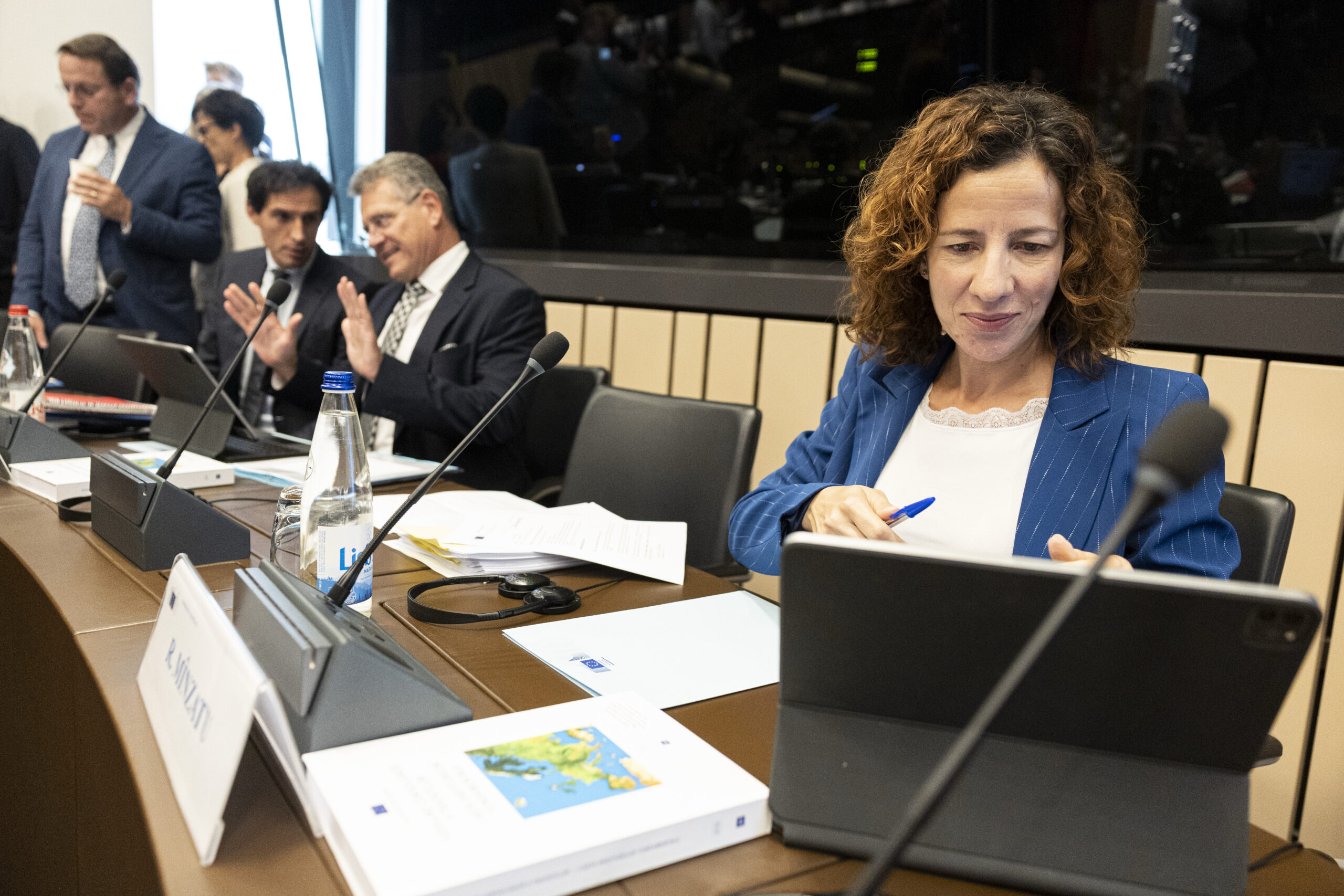
Brussels – Working, moving, and having one’s skills recognised in another European Union country should become easier. This is the aim of the new
Fair Labour Mobility package
adopted today (15 September) by the European Commission, which seeks to “make social rights, professional qualifications, and skills more easily transferable across borders,” while reducing the administrative burden on workers, businesses, and national authorities. “Wherever you work in the EU, your skills and social rights must go with you,” said Roxana Mînzatu, Executive Vice-President for Social Rights, summarising the essence of the package at a press conference in Strasbourg on the sidelines of the College of Commissioners’ meeting.
“The single market must also become a genuine skills market,” explained the Commission President, Ursula von der Leyen. The package addresses two of the ten main barriers to the functioning of the single market identified by Brussels. The aim is to ensure that skills, recognition of qualifications, and social protection can “cross borders more easily and securely.”
The package includes a communication and five legislative proposals. Among these is the new European Social Security Pass (ESSPASS), which will enable citizens to apply for and receive online social security documents, including the European Health Insurance Card and the portable A1 document for posted workers.
Documents can be stored and submitted via the European digital identity wallet, while public authorities will be able to verify them quickly. According to the Commission’s estimates, digitisation “could generate savings of up to €64 million for businesses, €69 million for healthcare providers and €72 million for labour inspectorates over the next twelve years.” Digital signatures could also help prevent up to €277 million worth of fraud.
Once fully implemented, “the package is expected to generate benefits estimated at €6 billion by 2040, thanks to the faster recognition of professional qualifications, real-time verification of social security documents and other savings for businesses, workers, and authorities, as well as a reduction in fraud,” as the European Commission explains in its press release.
Qualifications that are easier to recognise
Another key element concerns making it easier for educational qualifications and professional qualifications to be recognised across borders. Qualifications will be issued in a standardised digital format and made available in the European digital identity portfolio. The European Commission is also proposing a free European tool to compare qualifications obtained in different Member States. For regulated professions, such as doctors, nurses, engineers and teachers, cross-border recognition should become faster thanks to a mandatory digital procedure: according to Brussels, processing times could be reduced from around three months to five weeks.
The EU Commission also aims to expand the automatic recognition of qualifications through common training frameworks. The first such framework was adopted today for physiotherapists, one of the most mobile professions in the EU. There are also new developments regarding qualifications obtained outside the EU. The new rules are expected to reduce the average time taken for recognition from 14 to four months, with common standards for procedures applicable to both EU citizens and professionals from third countries.
More powers for the European Labour Authority
Finally, the package strengthens the role of the European Labour Authority (ELA), which will have more effective tools to help Member States enforce European rules. The authority will be able to help identify risks for inspections more effectively, strengthen cross-border cooperation and also take action against illegal employment and abuses against third-country nationals.
In 2024, around 14 million Europeans were living in a Member State other than the one of which they were nationals, more than ten million of whom were of working age. And the potential demand for mobility remains significant: 18 per cent of respondents in a recent Eurobarometer survey said they would like to work abroad.
The measures will now have to be examined by the European Parliament and the Council. The first social security documents are expected to be digitised gradually, while the new rules on qualifications and skills will come into force in stages over the coming years.
English version by the Translation Service of Withub