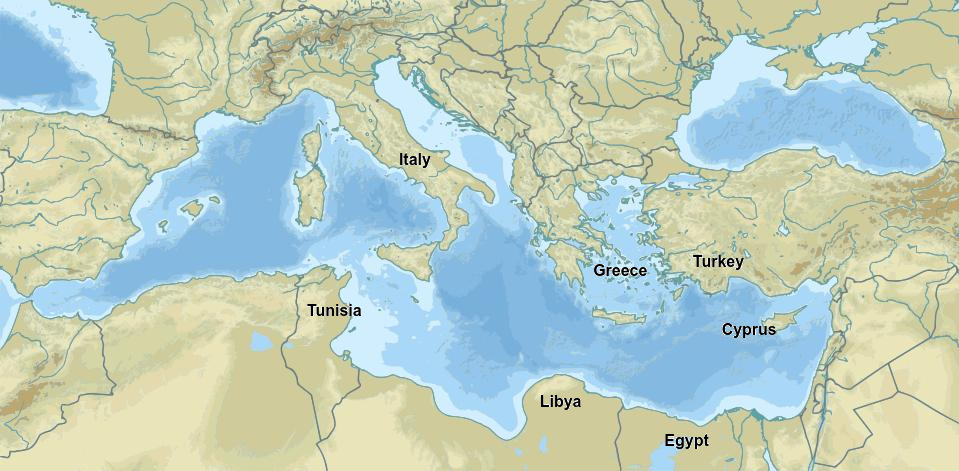
Brussels – The Libya-Turkey bilateral protocol on maritime borders has opened a rift in relations with the EU. The governments in Benghazi and Ankara have signed an agreement to resolve their dispute over conflicting claims to maritime borders and rights to explore energy resources in the eastern Mediterranean. However, Greece, Cyprus and Egypt are challenging the agreement. The Turkish-Libyan deal is said to disregard the maritime rights of other states and the Greek islands, and to establish a delimitation line that does not comply with the principles of international law of the sea.
The initiative has burst onto the European Union’s agenda. Late yesterday evening (20 October), the President of the European Council, António Costa, and the President of the European Commission, Ursula von der Leyen, issued a joint statement condemning the deal. “This agreement infringes upon the sovereign rights of third states, it does not comply with the Law of the Sea, and is null and void,” said the presidents of the two EU institutions, who are taking aim at the governments of the two partner countries.
Two Libyan governments, the same Erdogan: the EU’s Turkish dilemma
With this move, Turkey has taken action contrary to international law, infringing upon the rights and interests of independent and sovereign EU Member States, and legitimising the eastern government of Libya – a government that is not recognised and which is in breach of the UN’s position. Turkey, an EU partner and NATO member, is therefore acting in a manner that defies all conventional logic, posing a new existential challenge for the EU.
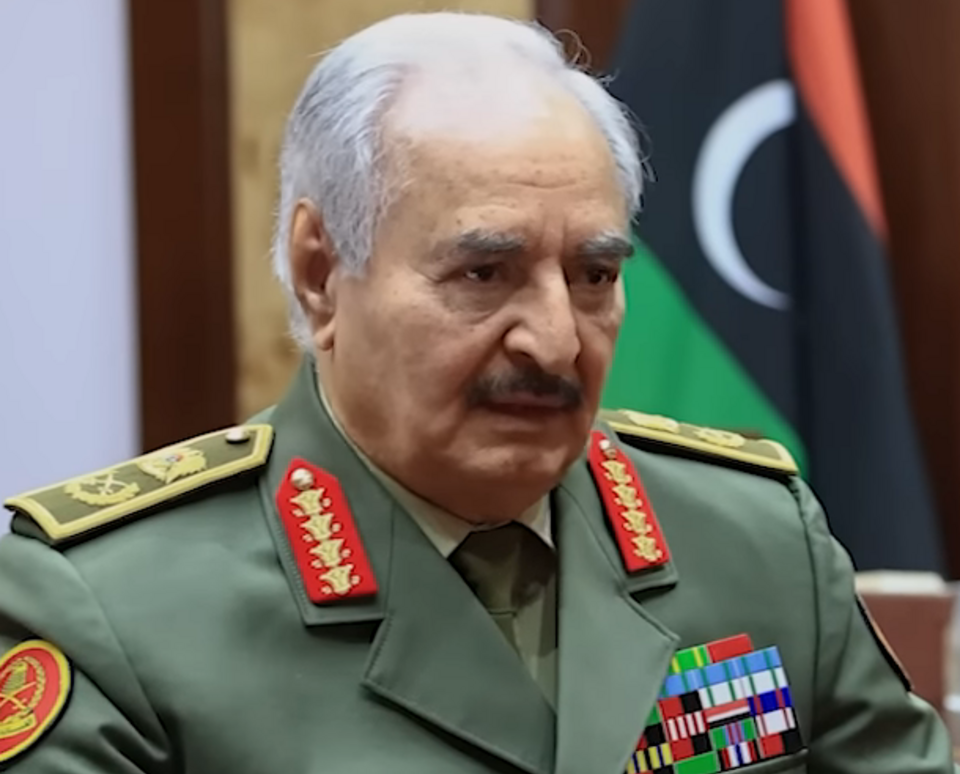
While the EU recognises the government of national unity, Turkey effectively recognises the Benghazi-based government, which in itself is already making EU-Turkey dialogue on Libya difficult. These are significant differences for a European Union that is seeing its dialogue with Ankara become increasingly complicated.