- Europe, like you've never read before -
Wednesday, 18 November 2026
No Result
View All Result
  • en ENG
  • it ITA
Eunews
  • Politics
  • World
  • Business
  • News
  • Defence
  • Health
  • Agrifood
  • Other sections
    • Culture
    • Rights
    • Energy
    • Green Economy
    • Finance & Insurance
    • Industry & Markets
    • Media
    • Mobility & Logistics
    • Net & Tech
    • Sports
  • Eunews Newsletter
  • European 2024
    Eunews
    • Politics
    • World
    • Business
    • News
    • Defence
    • Health
    • Agrifood
    • Other sections
      • Culture
      • Rights
      • Energy
      • Green Economy
      • Finance & Insurance
      • Industry & Markets
      • Media
      • Mobility & Logistics
      • Net & Tech
      • Sports
    No Result
    View All Result
    Eunews
    No Result
    View All Result

    Home » Ambiente » EU residents produced nearly 1,700 kg of waste per person in 2024

    EU residents produced nearly 1,700 kg of waste per person in 2024

    According to Eurostat, between 2004 and 2024, the total amount of waste fell by 1.9 per cent. Italy is the country that recycles the most

    Iolanda Cuomo by Iolanda Cuomo
    29 October 2026
    in Ambiente
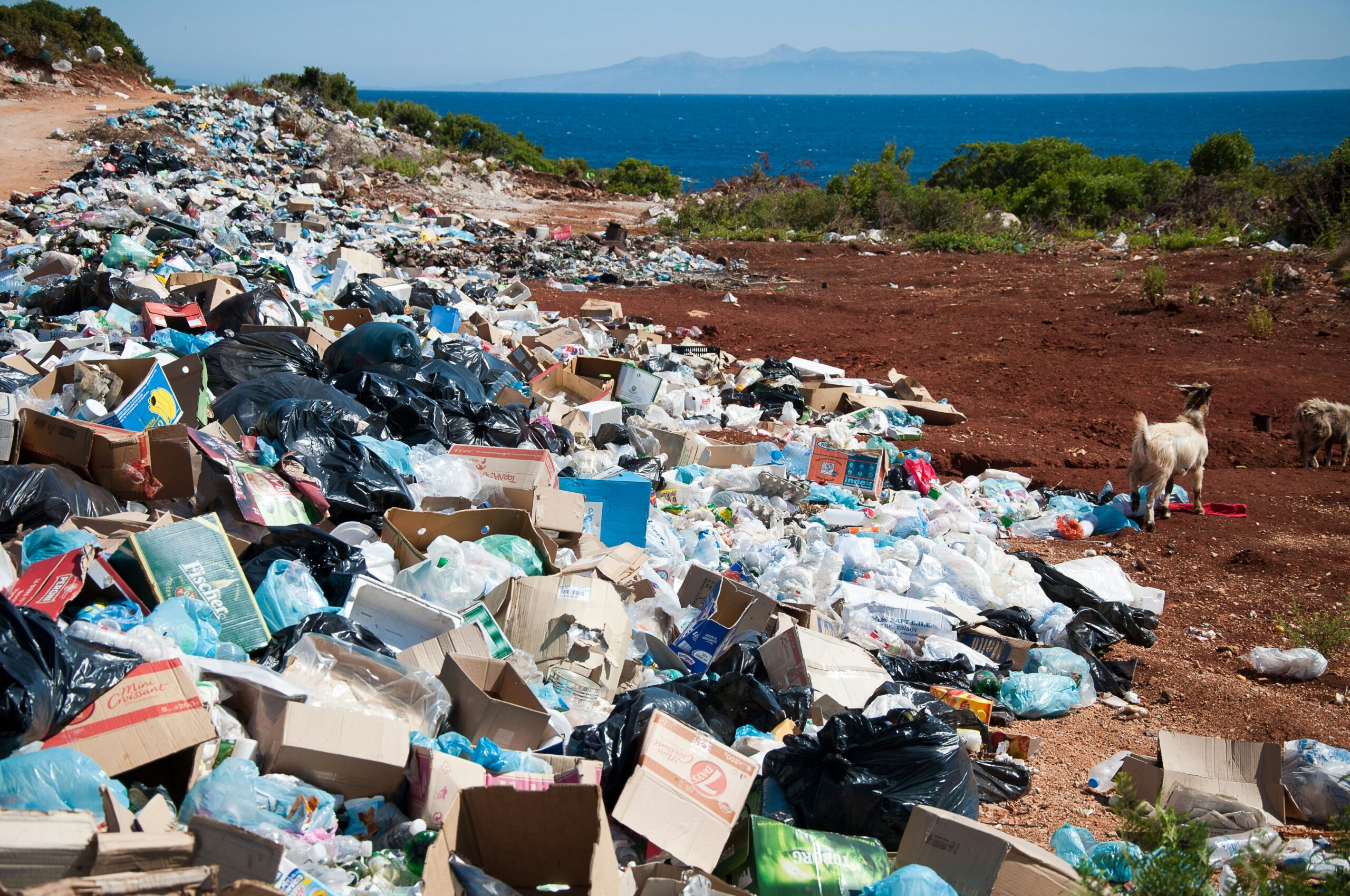
    Rifiuti. Crediti: Antoine Giret via Unsplash

    Rifiuti. Crediti: Antoine Giret via Unsplash

    Brussels – Can greater awareness of the environment and the climate crisis encourage people to produce less waste? According to Eurostat, the European Union’s statistical office, the EU generated 765 million tonnes of waste in 2024, excluding mineral waste resulting from mining, construction or demolition. This corresponds to 35 per cent of all waste produced, amounting to 2,196 million tonnes. The Agency also points out that, on average, each person produced 1,697 kg of waste in the EU in 2024  – excluding mineral waste.

    Excluding waste from mining activities, the total amount of waste has fallen by 1.9 per cent over the last two decades compared with the 779.5 million tonnes recorded in 2004. Looking at individual EU countries, Estonia produced the highest amount of waste (4,703 kg per capita), followed by Belgium (3,157 kg per capita) and Bulgaria (2,881 kg per capita). Conversely, Malta (1,092 kg per capita), Ireland (1,199 kg per capita) and Slovenia (1,254 kg per capita) generated the lowest amounts. Italy lies in the middle, with a figure of 1,931 kg per capita, above the EU average of 1,697 kg per capita.

    In 2024, almost two-thirds (61.8 per cent) of the EU’s waste was processed in what Eurostat defines as recovery operations. Specifically, 42 per cent of waste was recycled, 13.3 per cent was used for backfilling excavations – in the context of recycling, this involves using recovered inert materials, such as uncontaminated excavated soil and rock, demolition rubble, crushed concrete or screened gravel – to fill voids in the ground, backfill disused quarries or restore an area to its original profile – and 6.5 per cent was incinerated to recover energy. The remaining 37.8 per cent of the waste was sent to landfill, and 0.4 per cent was carbonised, but without energy recovery.

    In 12 EU Member States, recycling was the most widely used method of waste treatment, accounting for over 50 per cent. Italy ranked first, recycling 87.3 per cent of its waste, followed by Hungary (77.1 per cent) and Slovakia (69.8 per cent). In Slovenia, 67.8 per cent of waste was used for backfilling, while in Ireland the figure was 45.2 per cent. In Bulgaria (91.4 per cent), Finland (84.4 per cent) and Sweden (75.1 per cent), landfill was the preferred option. Incineration with energy recovery was one of the least common methods across the EU. However, Denmark (27 per cent) and Lithuania (19.4 per cent) used this option.

    English version by the Translation Service of Withub
    Tags: agenzia di statistica dell'Unione europeabelgioBulgariadanimarcaestoniaeurostateurostat dataFinlandIrlandaLithuaniamaltaSlovakiasloveniasveziawaste

    Related Posts

    Riciclaggio. Crediti: OCG Saving the Ocean via Unsplash
    Ambiente

    EESC: “Recycling makes the EU economy less vulnerable”

    28 October 2026
    Tetti di Bruxelles all'alba.
    Energy

    The EU Commission is asking Italy to also consider installing external thermal insulation on social housing

    28 October 2026
    Alla COP17 una nuova alleanza per attirare investimenti privati sulla biodiversità con i crediti per la natura
    Ambiente

    “Friends of Nature Credits”: the EU launches a new biodiversity alliance at COP17

    28 October 2026
    Il commissario per l’Energia, Dan Jørgensen, e il commissario europeo per la Difesa, Andrius Kubilius durante il briefing per l' incontro del primo dialogo europeo sulle raffinerie. Crediti: Commissione europea
    Defence & Security

    The EU is pushing for increased refinery output; Jørgensen: “Diesel is essential for the economy and defence”

    28 October 2026
    map visualization
    Il CBAM si estende a Norvegia e Islanda: dal 2027 nuove regole sulle importazioni

    The CBAM is being extended to Norway and Iceland: new import rules from 2027

    by Annachiara Magenta annacmag
    18 November 2026

    Brussels – The European Union’s Carbon Border Adjustment Mechanism (CBAM) will also be extended to Norway and Iceland from 1...

    Da sinistra a destra il commissario europeo per la Difesa, Andrius Kubilius, la presidente della Commissione europea, Ursula von der Leyen, e il commissario per l’Economia, Valdis Dombrovskis. Crediti: Commissione europea

    The EU Commission is set to raise €45 billion for Ukraine on the financial markets

    by Iolanda Cuomo
    18 November 2026

    Of the total sum, 20 billion is earmarked for the national budget and 25 billion for defence. Von der Leyen:...

    [foto: imagoeconomica]

    While awaiting the new multi-annual budget proposal, the European Parliament is putting pressure on Costa

    by Emanuele Bonini emanuelebonini
    18 November 2026

    The co-rapporteurs on the draft next multiannual financial framework (MFF 2028–2034) are awaiting proposals from the President of the European...

    Why greater interdisciplinary cooperation is essential for the green transition: brainstorming around COP31 from Antalya. Prof. David Chiaramonti at COP31. Source: Chiaramonti

    Why greater interdisciplinary cooperation is essential for the green transition: brainstorming around COP31 from Antalya

    by David Chiaramonti *
    18 November 2026

    There is an urgent need to create multidisciplinary authoritative groups, that can support the policymakers with transparent, evidence-based, informed and...

    • Director’s Point of View
    • Opinions
    • About us
    • Contacts
    • Privacy Policy
    • Cookie policy

    Eunews is a registered newspaper
    Press Register of the Court of Turin n° 27

    Copyright © 2025 - WITHUB S.p.a., Via Savona 127/B, 20144 Milano
    VAT number: 10067080969 - ROC registration number n.30628
    Fully paid-up share capital 50.000,00€


    No Result
    View All Result
    • en ENG
    • it ITA
    • Politics
    • Newsletter
    • World politics
    • Business
    • General News
    • Defence & Security
    • Health
    • Agrifood
    • Altre sezioni
      • Culture
      • Rights
      • Energy
      • Green Economy
      • Gallery
      • Finance & Insurance
      • Industry & Markets
      • Media
      • Mobility & Logistics
      • Net & Tech
      • News
      • Opinions
      • Sports
    • Director’s Point of View
    • Draghi Report
    • Eunews Newsletter

    Attention