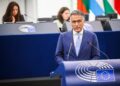
Brussels – The European Union is finalising measures to prepare for the possibility of a worsening energy crisis, said the European Commissioner for Energy, Dan Jørgensen. “We are well aware of the need not only to monitor the situation, as we obviously do, but also of the fact that we must also prepare ourselves, because the situation could worsen further, and we must be ready to take short-term measures to try to help Member States,” he said on his arrival at the European Union Energy Council today (16 March) in Brussels.
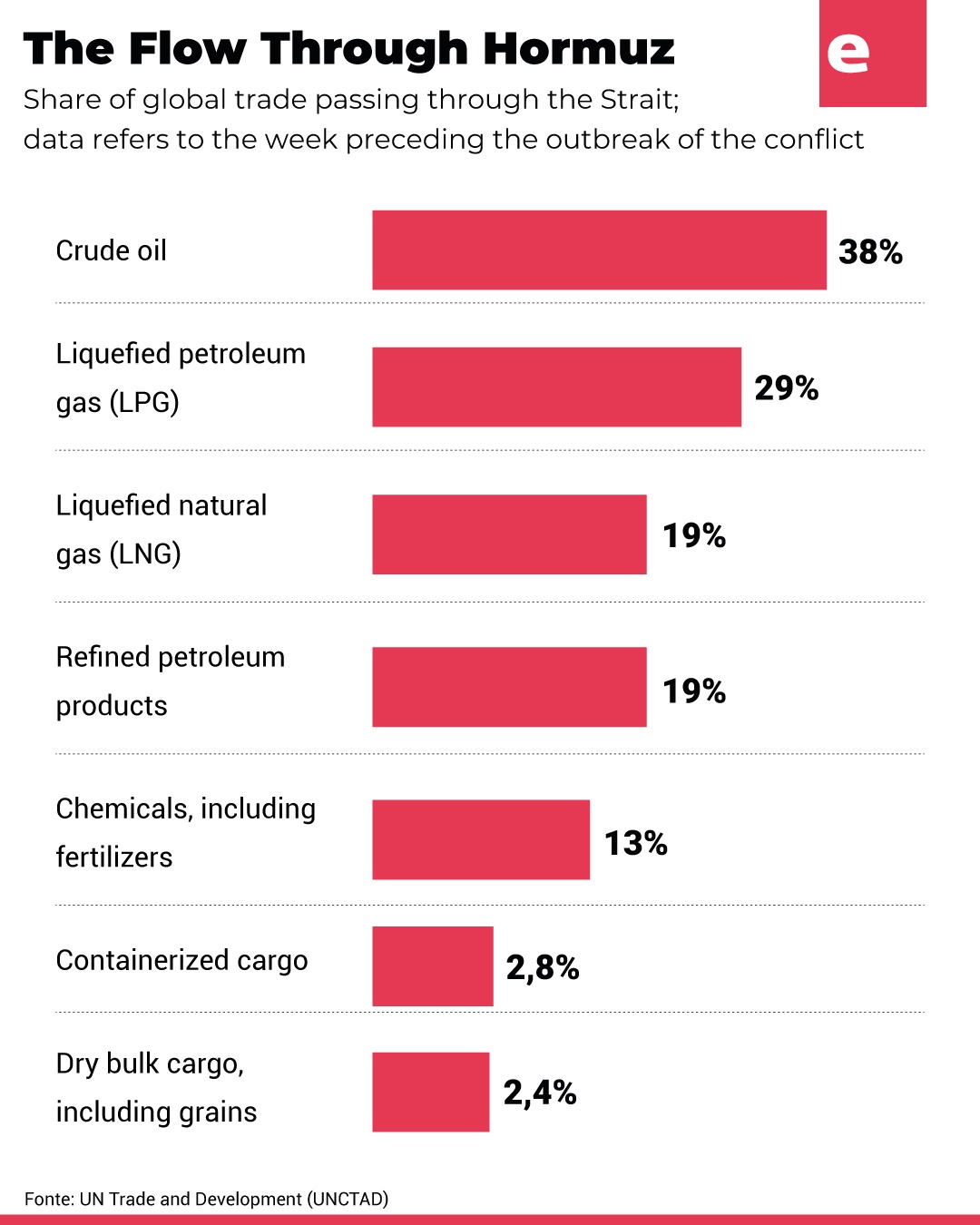
Jørgensen pointed out that the EU is now “in a much better position than in 2022”, which is “the result of the various reforms we have implemented, having learnt since the 2022 crisis” following the outbreak of Russia’s war of aggression against Ukraine. “We have more renewable energy in our system, we have diversified our supply in general, and in our energy system, there are fewer hours when gas determines the price of electricity,” he noted. He reiterated that the EU is not at risk of supply shortages, but the problem is – once again – prices. “In reality, in the European Union, we do not depend so heavily on fuel supplies – gas or oil – from the region. We do not have a security of supply problem. But we do have a price problem, because when world market prices rise, obviously, this affects us,” he explained.
The Commissioner believes that “it is extremely important to find solutions to the bottlenecks” in Europe and, at the same time, acknowledged the delays and shortcomings. “We all agree that we want to bring prices down, but at the same time, we must admit that we have not acted quickly enough to implement certain measures that we know are effective in reducing prices, including greater interconnection,” he noted. For this reason, Brussels will seek to take remedial action – once again. And “on behalf of the Commission, I will now present plans that will help resolve the problems we face. Naturally, we will discuss the details, and I will listen to the concerns of ministers from all countries, but the general approach, I believe, enjoys broad consensus,” he said.
The situation in the Middle East, however, cannot lead to a change in the EU’s stance towards Moscow. The Commissioner was responding to the Belgian Prime Minister, Bart de Wever, who in an interview published over the weekend in several French-language newspapers explained that peace negotiations with Russia might be necessary – given that Europe cannot defeat Russian President Vladimir Putin militarily by sending weapons to Kyiv, nor can it completely isolate the aggressor country economically without greater support from the United States – and that normalising relations with the Kremlin would lead to the restoration of low-cost energy supplies. “It would be a mistake to repeat the errors of the past. So, the message is very clear. In the future, we will not import a single molecule of energy from Russia,” Jørgensen said. “In Europe, we cannot help or indirectly finance Russia’s illegal war. We have been dependent on Russian energy for far too long, allowing Putin to blackmail us with energy, allowing him to use energy as a weapon against us, and we are determined to stay on this path,” the Commissioner concluded.
English version by the Translation Service of Withub