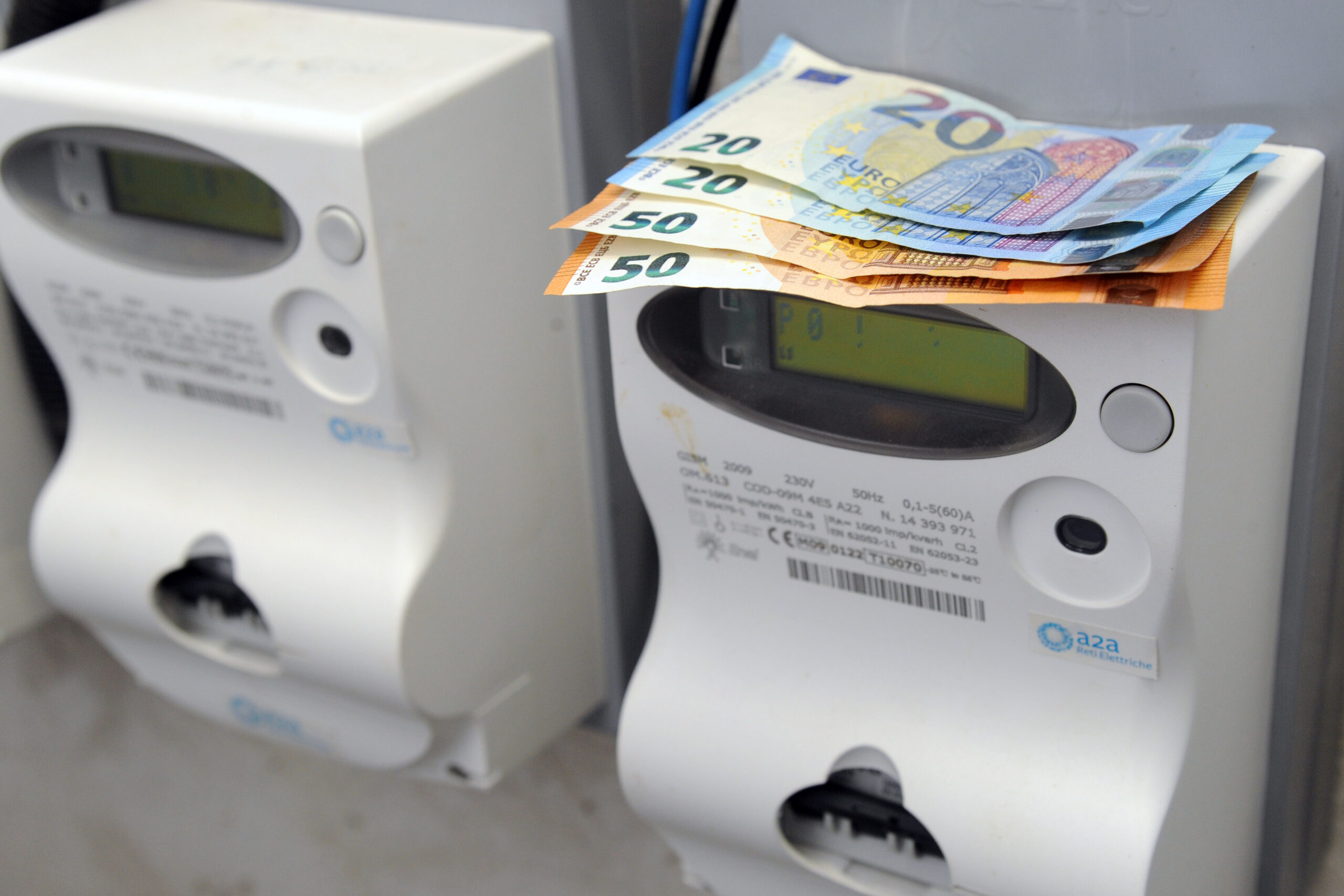
Brussels – Rising energy costs are once again driving up inflation, reaching 3 per cent in the eurozone in April, an increase of 0.4 percentage points compared with March, according to Eurostat’s preliminary data released today (30 April). It is energy that is driving this rise, given that this component of the reference basket is expected to stand at 10.9 per cent (compared to 5.1 per cent in March). There were slight increases for non-energy industrial goods (0.8 per cent from 0.5 per cent in March), and modest rises for food, alcohol, and tobacco (2.5 per cent from 2.4 per cent in March). Inflation for services, however, fell slightly (3 per cent from 3.2 per cent in March).
At the level of member states, inflation soared in Belgium (from 2.2 per cent in March to 4.3 per cent in April) and Bulgaria (from 2.2 per cent to 6.2 per cent), doubled in Cyprus (from 1.5 per cent to 3 per cent), and also shot up in Italy (from 1.6 per cent to 2.9 per cent).
The energy crisis caused by the closure of the Strait of Hormuz is therefore costing the eurozone more than one percentage point of inflation over a two-month period. In March, there was a 0.7 percentage point increase compared with February, to which the expected +0.4 percentage points is now added; this remains to be confirmed in the final estimates that the European statistical office will publish in three weeks’ time (on 20 May).
However, it is these preliminary figures that the Governing Council of the Central Bank will base its monetary policy decisions on, which are also expected today. Such a sharp surge in headline inflation could prompt the ECB to step in and once again adjust interest rates, increases that, in any case, the Frankfurt institution itself has not ruled out in recent weeks.
English version by the Translation Service of Withub

![[fonte foto: CEPS. Elaborazione: Eunews]](https://www.eunews.it/wp-content/uploads/2021/01/recessione-1.png)