Brussels – “The Commission considers the tariffs imposed by the United States of America” on goods produced by forced labour to be unjustified. Tensions between the two sides of the Atlantic continue to run high, and the EU Commission’s trade spokesperson, Olof Gill, responds to the accusations from the US government, which yesterday (2 June) decided to raise tariffs on products deemed to be the result of forced labour in a total of 60 countries. Among these, the EU, which, according to the US administration’s statement, is specifically listed among the six economies – alongside Canada, Ecuador, Indonesia, Mexico, and Pakistan – that “have failed to effectively enforce the ban on imports of goods produced by forced labour.” The investigation, launched in March, also involved a further 54 countries – including China, Hong Kong, Japan, Russia, the United Arab Emirates, and the United Kingdom – to which additional tariffs of 12.5 per cent have been applied. For the EU, and the other countries in the group to which it belongs, an additional tariff of 10 per cent is proposed.
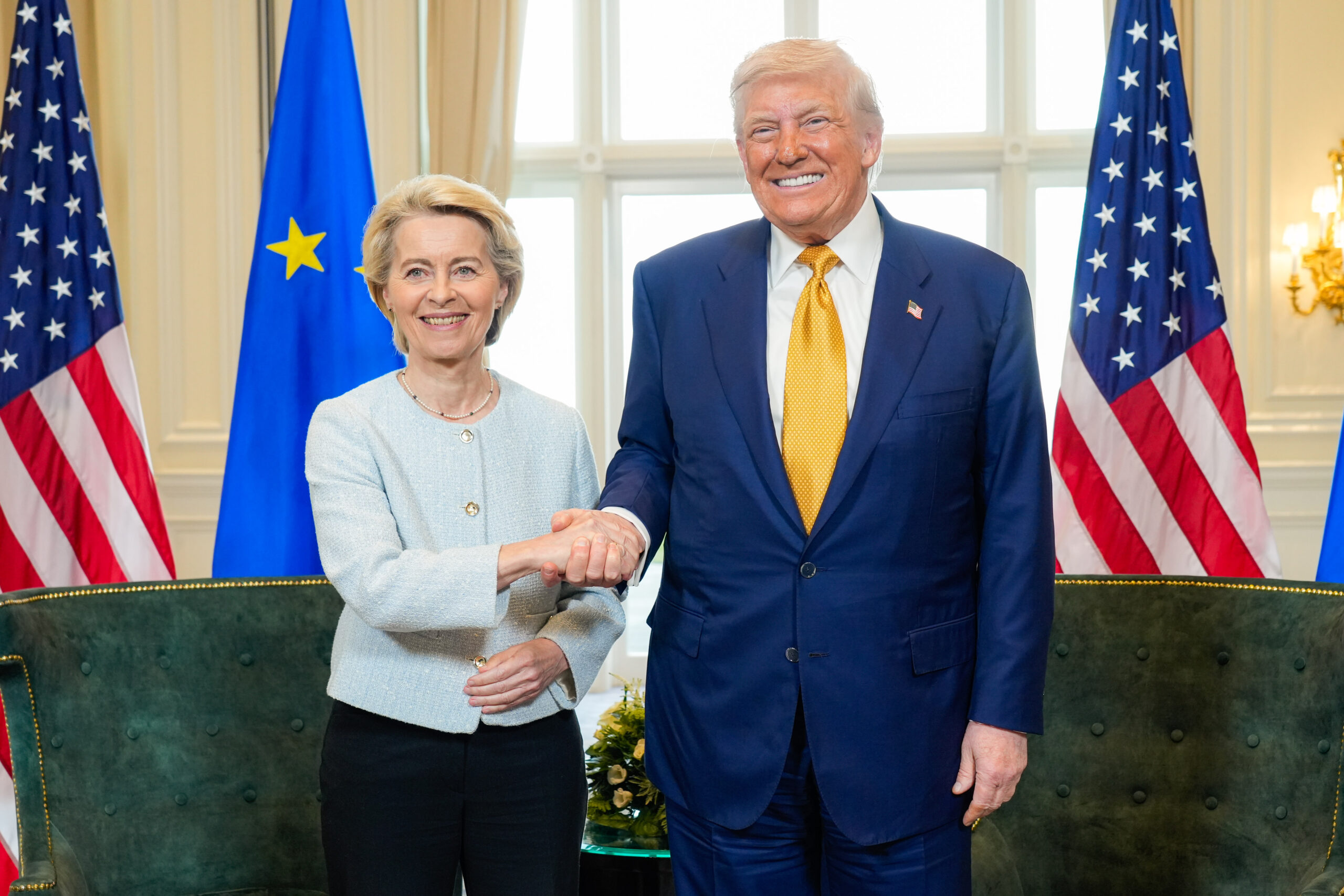
Brussels, therefore, rejects the accusations and stands by its reputation as a reliable partner. “A deal is a deal: on the EU’s part, we are on track to ensure the implementation of the tariff commitments set out in our joint statement by the end of June,” Gill emphasised. “We expect the United States to fully comply with the terms of the Joint Statement, and the Commission will continue to ensure that the European Union’s interests are fully protected.”
This dispute further heightens an already heated political climate, which in early May saw Trump issue an ultimatum to Brussels to scrap tariffs on US exports by 4 July; otherwise US tariffs on all “Made in the EU” goods would have risen well above the 15 per cent set in last July’s agreements.
Regarding the allegations levelled at Brussels, the European Commission “takes note of the preliminary findings and proposed actions arising from the US Section 301 investigations into trade in goods produced using forced labour.” Furthermore, it points out that “as we have consistently made clear throughout this process, the European Union fully shares the United States’ concerns regarding forced labour and remains fully committed to eliminating it from global supply chains through concrete action.” In this regard, spokesperson Gill highlights the EU’s commitment in this area, with the 2024 regulations prohibiting the placing on the EU market of all products made with forced labour, regardless of whether they originate in the EU or a third country: “One of the most ambitious instruments of its kind worldwide,” the spokesperson notes. Therefore, the Commission makes it clear that it “will carefully analyse the preliminary findings of the US investigation,” and “will continue to engage in dialogue with the US Administration.” However, “that said, the EU considers that tariffs imposed on these grounds are unjustified.”
English version by the Translation Service of Withub