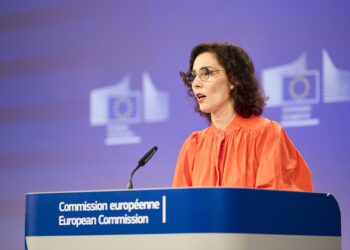
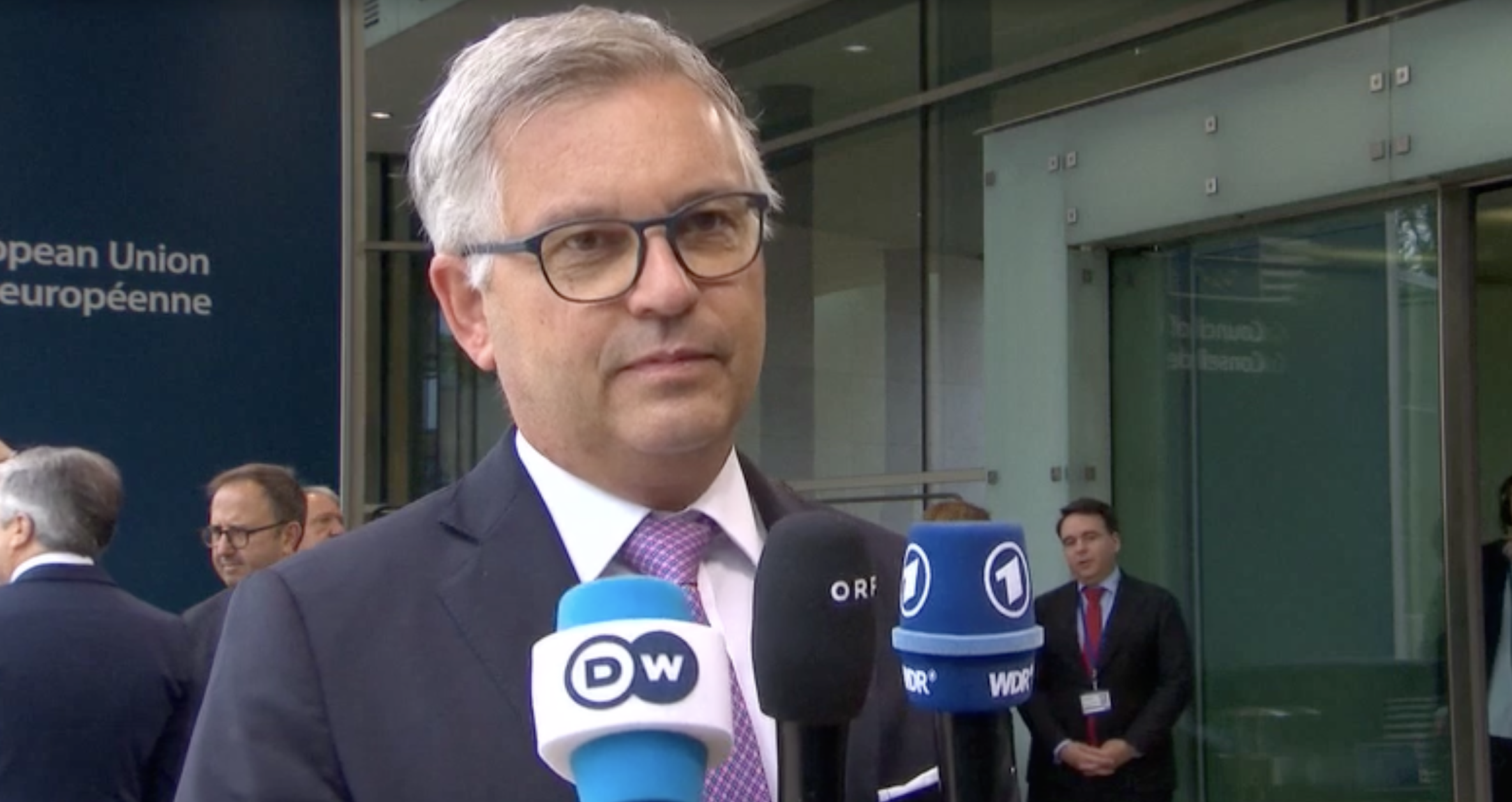
Brussels – “The time has come to phase out internal border controls, because the proper functioning of the Schengen Area is one of the European Union’s greatest achievements.” The Commissioner for Home Affairs and Migration, Magnus Brunner, insists and, at the Justice and Home Affairs Council in Luxembourg, once again presses the governments.
Two days ago, the European Commission issued opinions
on the temporary reintroduction of internal border controls by Austria, Denmark, France, Germany, Italy, the Netherlands, Norway, Slovenia, and Sweden, recommending that they work to gradually phase out and abolish border controls between countries. These are controls introduced as a derogation from the rules on free movement and maintained, in some cases, well beyond the 12-month time limit set out in the European framework. Member States have made use of this option by citing “real and legitimate concerns regarding security threats and the migration situation,” a provision enshrined in EU law, which Member States have abused.
However, some of the nine do not appear willing to follow the line suggested by the Commission. “Internal border controls are working and will be further developed in a flexible manner, depending on the effectiveness of other decisions” stressed the German Interior Minister, Alexander Dobrindt, for whom border controls “remain an important tool for combating illegal immigration.” Similarly, the Austrian Minister of the Interior, Gerhard Karner, underlined that illegal migration has fallen dramatically in his country, boasting “a decrease in illegal entries from 3,500 in 2002 to fewer than twenty in the last week.”
Sweden’s stance was more conciliatory. Stockholm’s Minister of the Interior, Gunnar Strömmer, has admitted that his country has maintained border controls for ten years and that, while he does not want them to remain in place forever, he wants his country to be safe.
The debate is therefore proving to be an uphill struggle, marked by friction and differences of opinion. However, a round-table discussion is needed to gauge the various positions of the 27 Member States, which are called upon to examine the general state of the Schengen area of free movement. The European Commission is expected to contribute to this exercise with its report on the past year. Based on this text, the Council will define the actions it considers priorities for the 2026–2027 period.
English version by the Translation Service of Withub