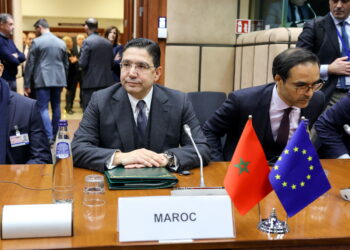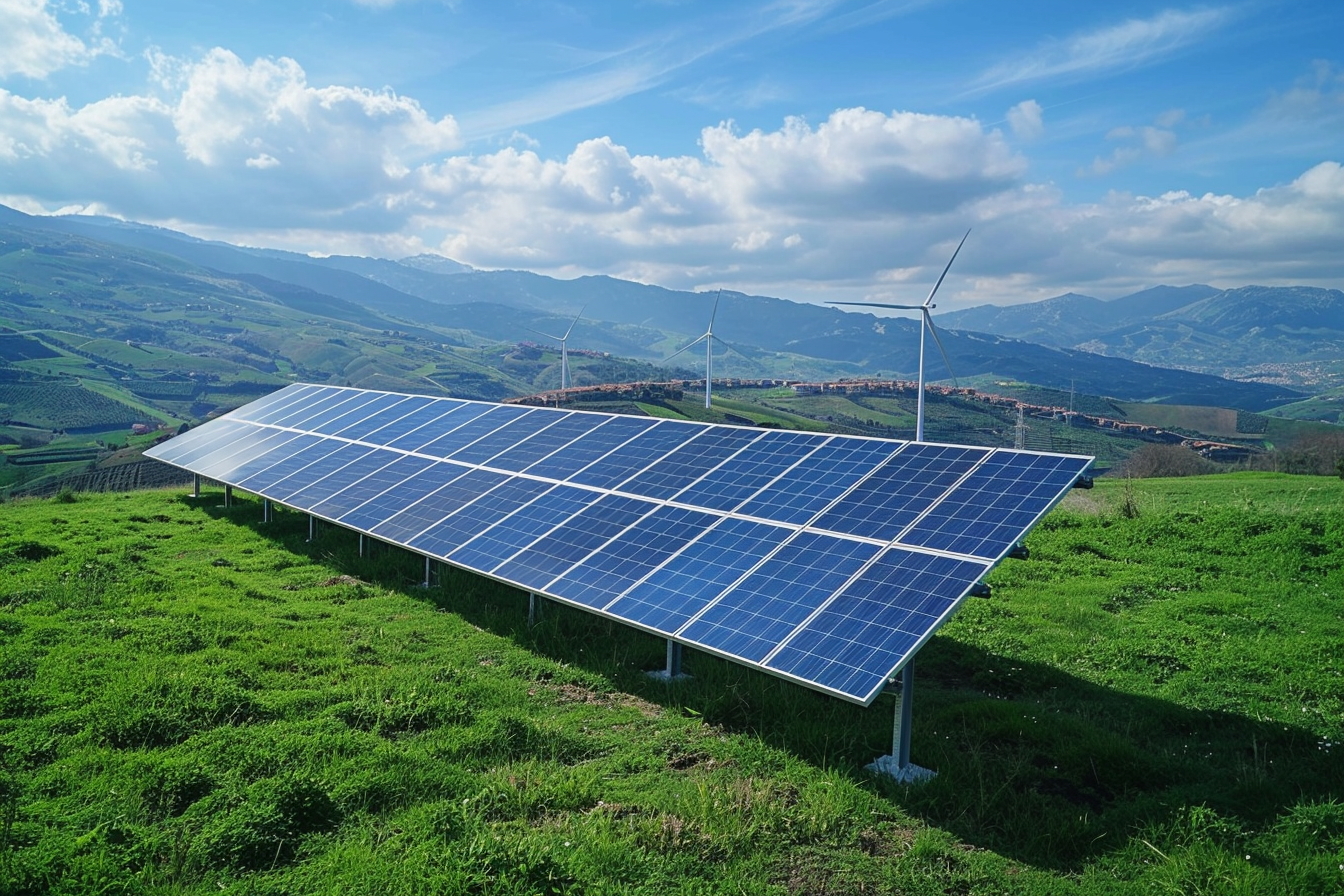

Brussels – Morocco is consolidating its role as a strategic industrial hub in the Mediterranean and positioning itself as one of the most promising countries for the development of clean technologies, according to a European Commission report on clean technologies value chains in the MENA region. According to the European analysis, the Kingdom has a particularly favourable combination of industrial capabilities, modern infrastructure, geographical proximity to Europe and growing integration into global value chains. This competitive advantage reinforces its potential as a manufacturing platform supporting the European and Mediterranean energy transition.
As reported by the publication le360, Morocco already boasts a well-established industrial ecosystem in the automotive, aerospace, and electrical sectors, as well as expertise in manufacturing transformers, cables, electrical equipment and solar systems. Added to this is the rapid development of the battery and electric mobility sectors. The vast reserves of phosphates represent a further strategic advantage, particularly to produce materials for lithium-iron-phosphate (LFP) batteries, whilst investment in green hydrogen and ammonia is opening up new prospects for energy integration between Morocco and Europe.
Logistics infrastructure also plays a crucial role, with Tanger Med linking Morocco’s industrial hub to the main international markets and boosting the country’s appeal to foreign investors. The picture outlined by the European Commission thus confirms Morocco’s growing centrality in the new industrial landscape of the Mediterranean: not merely as Europe’s energy partner, but as a competitive and strategic manufacturing hub for the technologies set to drive the green transition.
English version by the Translation Service of Withub