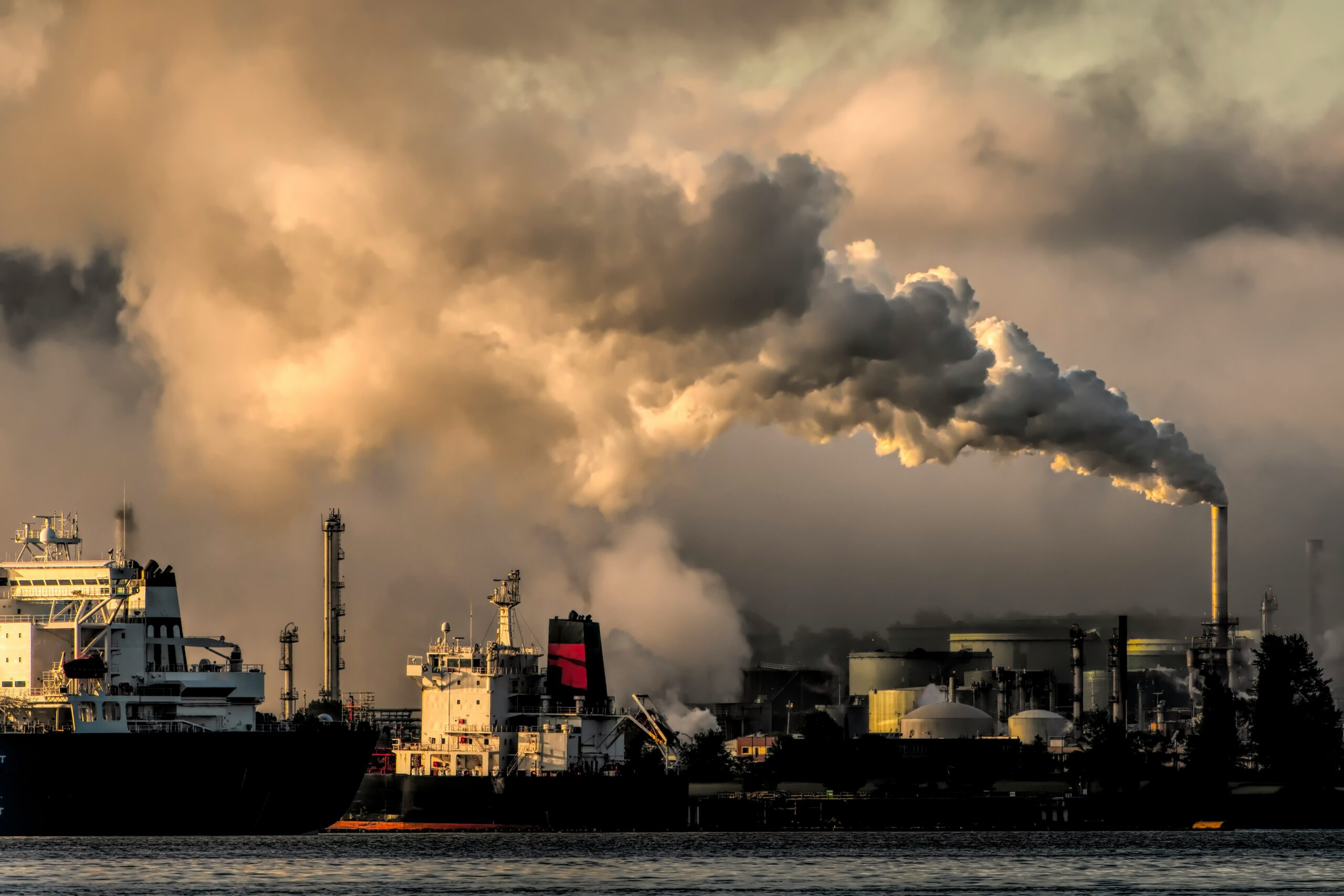
Brussels – Pragmatism. With the presentation of the long-awaited review of the ETS – the European Emissions Trading Scheme – due to take place on Friday 17 July, this is the word that several EU national governments are repeating in unison to safeguard Europe’s industrial future. In particular, ten Member States are calling on the European Commission for “a pragmatic review of the system” to “strike a balance between environmental protection and industrial competitiveness.” A revision that takes into account “the new European priorities: boosting competitiveness (including through affordable energy prices), security and resilience, as well as maintaining a strong manufacturing base.”
Signing a joint declaration are Bulgaria, Cyprus, the Czech Republic, Estonia, Greece, Hungary, Italy, Poland, Romania, and Slovakia. While acknowledging the positive contribution of the ETS to reducing emissions, the ten countries stress that the challenges facing European industry due to geopolitical developments are considerable and require “pragmatic and fair action to restore Europe’s status as an industrial power.”
The signatories are therefore calling for a “clear and realistic” path. In their view, the current target of achieving near-zero emissions by 2039 risks “driving industries out of Europe.” For this reason, they propose postponing the ETS target, bringing it closer to 2050.
The letter also calls for a review of the benchmarks methodology to better reflect technological and industrial realities. The ten Member States also oppose a “general conditionality” applied to all free allowances and suggest that this be limited solely “to additional allowances for those making extra efforts.” They also call for the phasing out of free allowances in sectors covered by the CBAM – the carbon border adjustment mechanism – to be suspended until this new instrument has proven its effectiveness.
According to the signatories, the ETS reform must be “more flexible to take account of each country’s specific circumstances, such as its energy mix and per capita GDP.” Another key point concerns the predictability of the CO₂ price. “The price of CO₂ must be predictable and immune to speculation.” The countries also stress that “prices must remain affordable to maintain the global competitiveness of European businesses.”
The declaration then devotes one paragraph each to the maritime sector, aviation, and ETS2, the new scheme for buildings and transport. For the maritime sector, the ten countries call for measures to prevent “carbon leakage” by stopping traffic from shifting from EU ports to hubs in neighbouring third countries. They also call for support for global solutions within the IMO framework and the retention of exemptions for essential public services. With regard to aviation, “the review must take into account the characteristics of international air transport and the evolution of the CORSIA negotiations, ensuring a level playing field for European operators.” Finally, regarding the new system for buildings and transport, the ten signatories argue that ETS2 must be “carefully reconsidered” because “it is a particularly sensitive instrument from a social perspective and primarily affects the most vulnerable households, who are already disproportionately affected by the fuel price crisis.”
The ten countries are therefore calling for a comprehensive review of the current ETS structure. From previews provided by the European Commissioner for Climate Action, Wopke Hoekstra, in May, it had emerged that the European Commission’s proposal would include an “assessment for the more gradual phasing out of free allowances,” that is, the CO₂ emission allowances allocated free of charge by the European Union to certain industrial sectors. A more gradual phase-out, in the Commissioner’s words, will extend the timeframe for achieving climate neutrality because “it will allow for emissions in 2040 and beyond.”
English version by the Translation Service of Withub



![Il ministro dei Trasporti, Matteo Salvini [Bruxelles, 5 dicembre 2024. Foto: Emanuele Bonini per Eunews]](https://www.eunews.it/wp-content/uploads/2024/12/salvini241205-120x86.jpeg)