For now the MEPs deny the go ahead and declare “lack of cooperation”
Green light for the Commission’s budget even though accounting errors are increasing
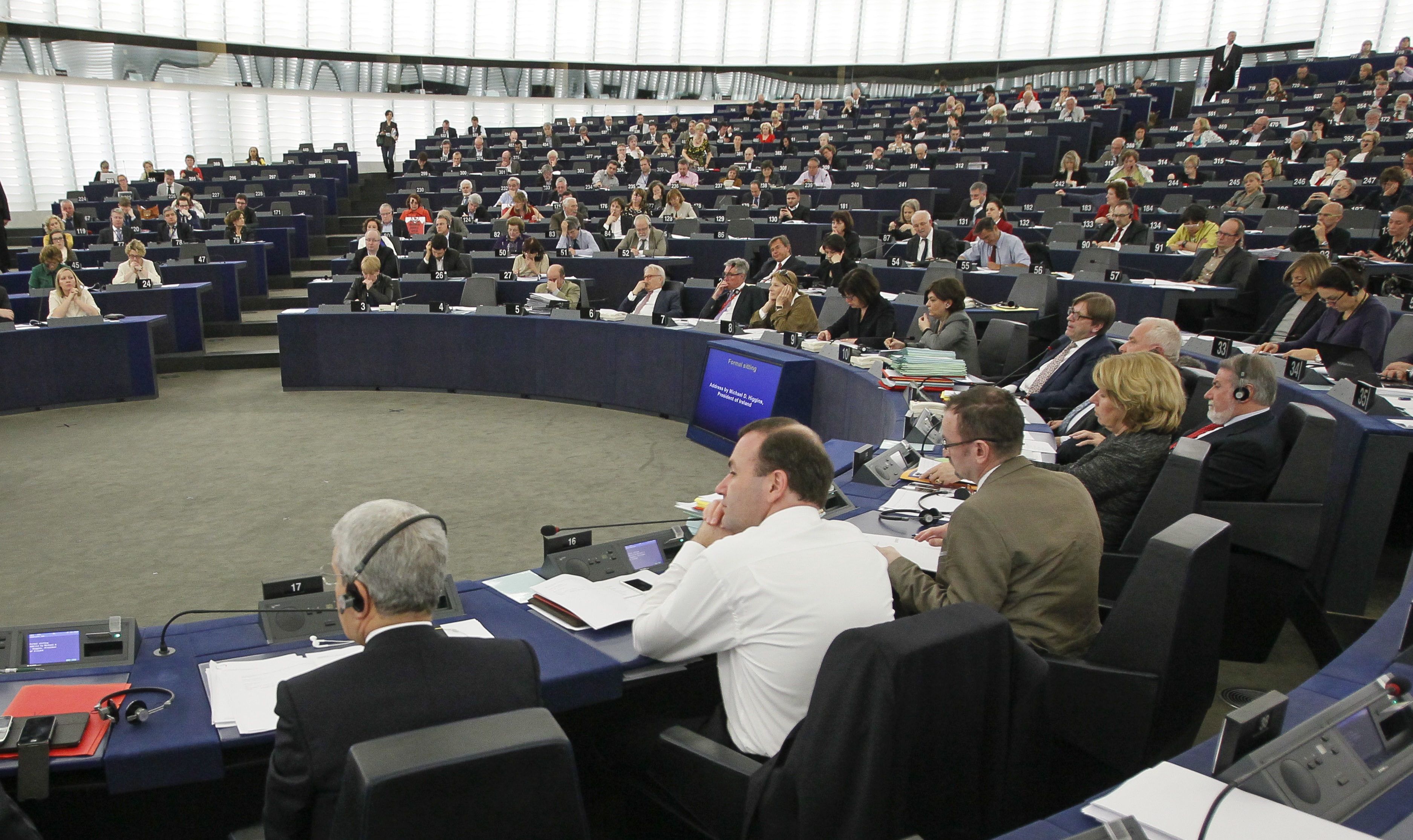 Insufficient cooperation, lack of adequate reply on the use of funds – these are the reasons the European Parliament refused to approve the Council of Ministers’ accounts for 2011. The MEPs have the job of evaluating the annual budget expenses of all EU entities to verify that the money is being spent in a correct manner, determining revenue and expenses for the year in reference. The so-called dump is a necessary step for the formal finalization of the institution’s accounts. Approval arrived for the other institutions and EU agencies but the Council of Ministers was denied again this year because of “lack of cooperation.”
In absence of adequate response from the Council, the MEPs hope for mediation during the Irish Presidency term to resolve the long dispute on how the Parliament can function as the authority on accounts management. At this point, on the go ahead on the Councils’ expenses, the Parliament will decide after the draft of a second report for the autumn debate.
Green light instead on the Commission’s 2011 budget management even if Parliament highlighted that the rate of error in accounting increased by 3.9% in respect to 3.7% in the previous year.
The MEPs also criticized the way in which money was spent by the national and regional authorities who share management with the EU (these funds represent 80% of the budget). 60% of the errors observed in the shared management expenditures could be identified by the national check systems, if these worked correctly, affirmed the European Parliament, also asking the Commission to present an annual report on the sum of expenses improperly recovered by each member State.
To more clearly evaluate a co-financed project by the EU, Parliament invited the Commission and the Court of Finances to focus their reporting on results obtained, as well as on their legal conformity. The MEPs also asked to pay “back-dated” financing – that is requests to reimburse that arrive only upon project completion. In this case, it is in fact more difficult to check on expenditures.
L. P.




![[foto: Saverio de Giglio/imagoeconomica]](https://www.eunews.it/wp-content/uploads/2026/10/Imagoeconomica_2784881-350x250.jpg)